

Not all support looks the same, and that’s especially true for veterans seeking help with the challenges that come after military service. While traditional talk-based approaches work well for some, many veterans find themselves drawn to something entirely different: working with horses in structured, outdoor environments.
Strides For Heroes provides therapeutic equine programs that support veterans and first responders through connection, structure, and horse-guided experiences. These programs offer an alternative path for those who haven’t found what they need in conventional office settings, or who simply prefer learning through hands-on experience rather than conversation alone.
When Talk-Based Settings Aren’t the Right Fit
Research shows that traditional approaches often struggle with engagement and completion rates, particularly among military veterans. Studies indicate that between 50 and 60 percent of veterans discontinue conventional support before completing their programs: significantly higher than civilian populations, where about one-third typically discontinue.
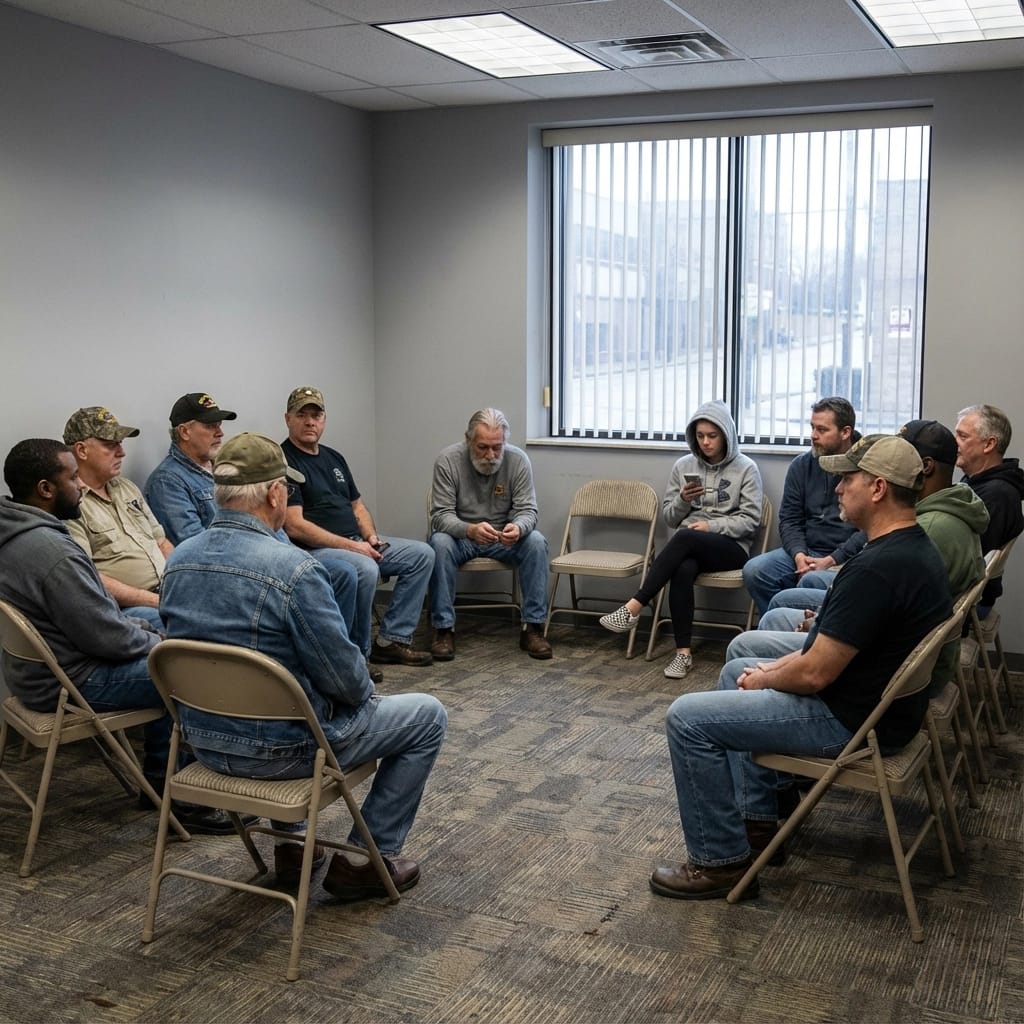
For many veterans, sitting in an office or participating in virtual appointments simply doesn’t feel right. The structured, action-oriented nature of military service often translates into a preference for hands-on, experiential approaches to personal growth and healing.
No prior horse experience is required. Participants are supported by trained instructors and well-prepared horses in a safe, structured environment. This accessibility removes barriers while maintaining the engaging, active format that resonates with many veterans.
Veterans frequently express that they want to work alongside others who understand their experiences. Horse-guided programs naturally create this environment, where participants can engage with peers who share similar backgrounds and challenges, all while focusing on meaningful activities rather than solely on talking about difficulties.
Learning Through Experience Instead of Words
Traditional support models rely heavily on verbal processing and discussion. While valuable for many people, this approach doesn’t match how everyone learns or heals best. Veterans often come from backgrounds where they learned through doing: following protocols, working as teams, and taking action to solve problems.
Equine-assisted activities mirror this hands-on learning style. Instead of talking about trust, participants build it through interactions with horses. Rather than discussing leadership concepts, they practice them in real-time with immediate feedback from their equine partners.
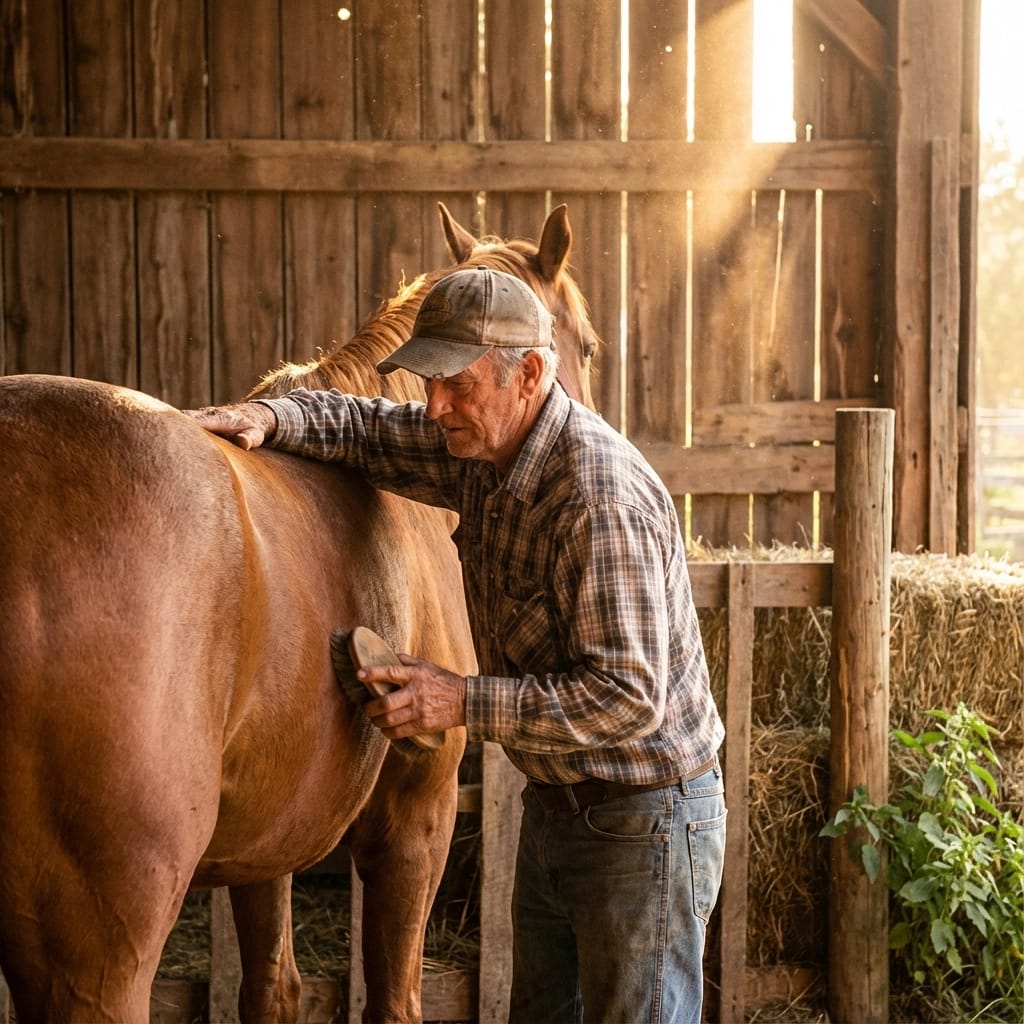
This experiential learning creates what many participants describe as breakthrough moments. Veterans report gaining insights about themselves and their relationships that feel more genuine and lasting because they discovered them through experience rather than discussion alone.
The outdoor, active environment also appeals to veterans who spent significant time outside during their service. Working in fresh air with animals provides a welcome contrast to indoor, clinical-feeling spaces that can feel disconnecting or artificial.
Horses Provide Honest, Immediate Feedback
One of the most compelling aspects of horse-guided experiences is the authentic, non-judgmental feedback horses provide. Unlike humans, horses respond purely to energy, body language, and emotional state: they don’t carry preconceptions, make assumptions, or offer advice.
This creates an environment where veterans can explore emotional regulation, self-awareness, and interpersonal skills without fear of judgment or criticism. Horses react in real-time to human emotions and energy, providing immediate, honest responses that help participants recognize patterns in their own behavior and emotional states.
Veterans often describe feeling more comfortable being vulnerable around horses than in traditional settings. The absence of judgment creates safety, while the immediate feedback creates learning opportunities that feel natural rather than forced.
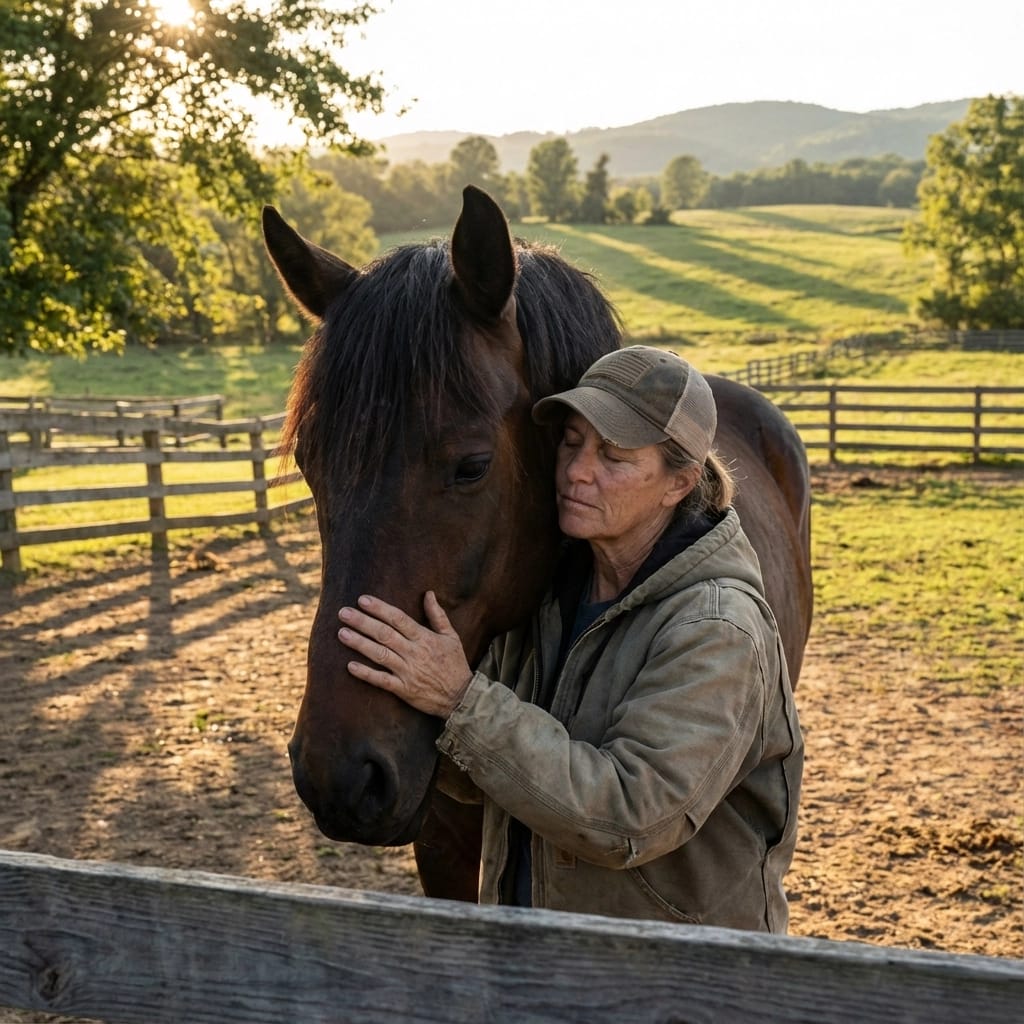
Horses also require presence and mindfulness. Unlike conversations that can happen on autopilot, working with horses demands full attention to the present moment. This naturally develops mindfulness skills and helps veterans experience stress relief through focused, purposeful activity.
The connection that develops between participants and horses often becomes a powerful source of personal growth. Veterans report increased confidence as they learn to communicate effectively with these large, powerful animals, and many experience a renewed sense of purpose through caring for and working with their equine partners.
Structure and Responsibility Resonate with Veterans
Military service instills deep appreciation for structure, clear expectations, and meaningful responsibility. Traditional support often lacks these elements, focusing instead on open-ended conversation and emotional exploration that can feel unfamiliar or uncomfortable.
Horse-guided programs provide the structure veterans appreciate while creating opportunities for personal growth. Each session has clear objectives, whether it’s learning to lead a horse, practicing groundwork exercises, or working as a team to accomplish specific tasks.
The responsibility aspect particularly resonates with veterans. Caring for horses requires attention to detail, consistency, and putting another being’s needs first: values that align closely with military training and personal character. This sense of purpose and responsibility often becomes a source of renewed meaning and connection.
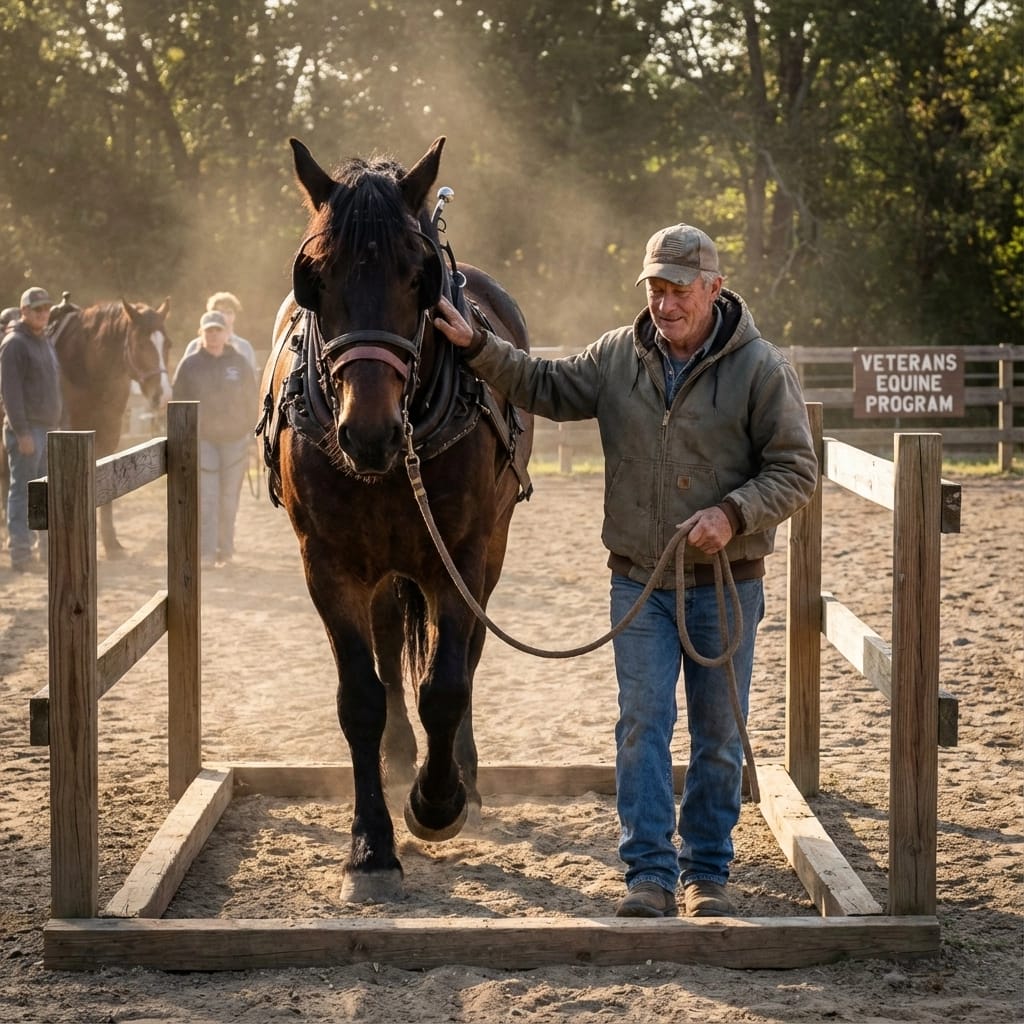
Program activities are designed to be goal-oriented and measurable, providing the clear sense of progress and achievement that veterans value. Participants can see their growth through tangible improvements in their relationships with horses and their ability to work effectively in structured environments.
The team-based nature of many equine activities also appeals to veterans’ collaborative instincts. Working together to achieve common goals feels familiar and engaging, creating natural opportunities for connection and mutual support.
Clear Non-Clinical Framework
Unlike traditional approaches that often involve clinical assessments, diagnoses, and treatment plans, therapeutic equine programs operate in a non-clinical, structured environment. This distinction matters significantly to veterans who may feel uncomfortable with clinical labels or medical frameworks.
Horse-guided experiences focus on building skills, developing relationships, and creating positive experiences rather than addressing specific clinical conditions. This approach feels more natural and less stigmatizing to many veterans, removing barriers that might prevent them from seeking or continuing support.
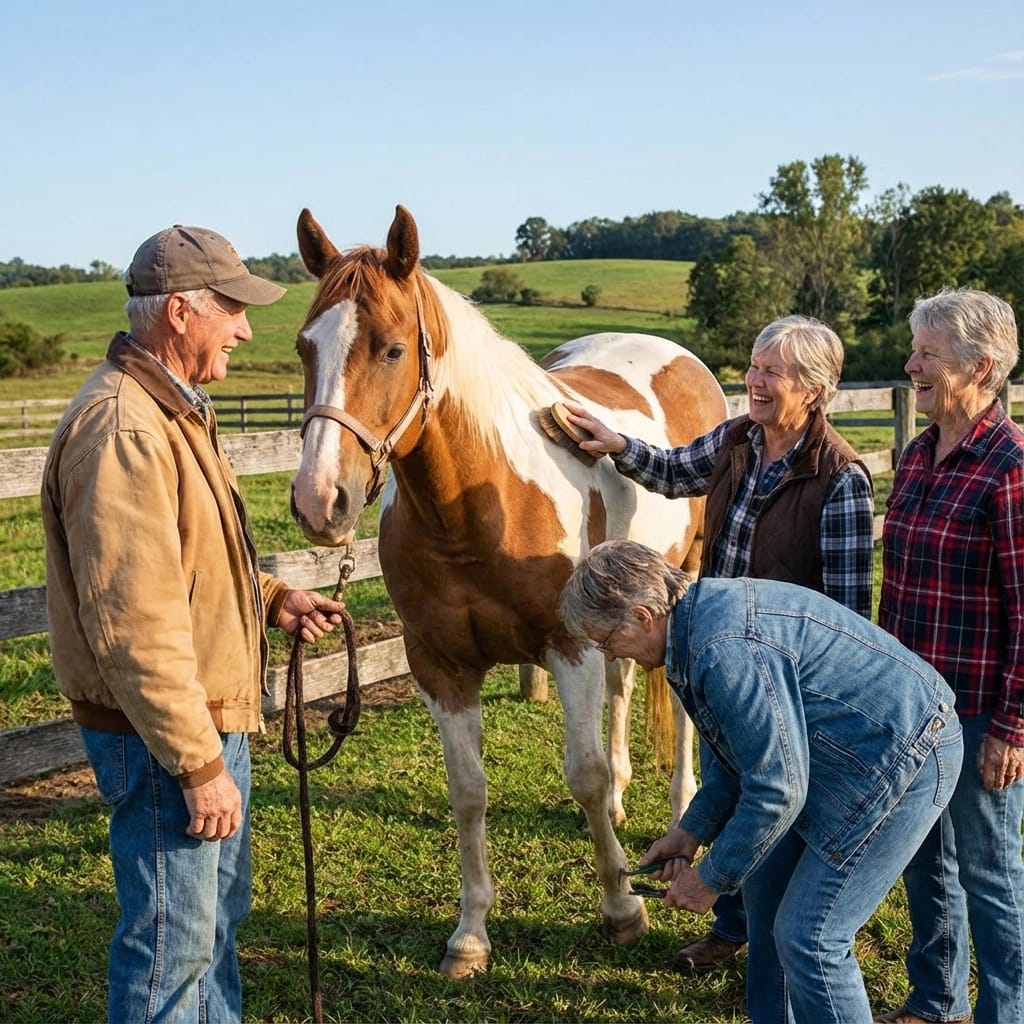
The emphasis on strength-building rather than problem-solving creates a more positive, forward-looking environment. Veterans work on developing confidence, improving self-awareness, and building connection and trust: all through engaging, purposeful activities rather than problem-focused discussions.
Programs are designed to meet participants where they are, allowing them to engage at their own pace and comfort level. Some veterans dive in immediately, while others prefer to observe and gradually increase their participation. This flexibility ensures that the experience feels right for each individual.
A Different Path Forward
Strides For Heroes recognizes that healing and growth happen in many different ways. For veterans who haven’t found what they need in traditional settings, or who simply prefer hands-on, experiential approaches, horse-guided experiences offer a meaningful alternative.
The combination of structure, responsibility, honest feedback, and genuine connection creates an environment where veterans can rebuild confidence, develop emotional regulation skills, and experience stress relief in ways that feel authentic and sustainable.
Therapeutic equine programs don’t replace other forms of support: they complement them by providing a unique avenue for personal growth that aligns with veterans’ strengths, values, and preferences. Many participants find that skills developed through horse-guided experiences enhance their ability to benefit from other forms of support as well.
Meeting Veterans Where They Are
Horses meet veterans where they are: without judgment, without clinical frameworks, and without requiring them to fit into traditional models of support. This authentic acceptance creates space for genuine growth and healing to occur naturally.
For veterans seeking an alternative to talk-based approaches, equine-assisted activities offer structure, purpose, and connection in an environment that honors their experiences and builds on their strengths. It’s not the only path forward, but for many veterans, it’s the path that finally feels right.
The outdoor, hands-on nature of these programs appeals to veterans’ practical instincts while creating opportunities for meaningful personal growth. Working with horses provides immediate, tangible experiences of success, trust-building, and emotional regulation that translate into improved confidence and well-being in daily life.
Through connection, structure, and horse-guided experiences, veterans discover new ways to build the lives they want while honoring who they are and where they’ve been. Sometimes the most powerful healing happens not through talking about the journey, but through taking the next steps forward( one stride at a time.)
