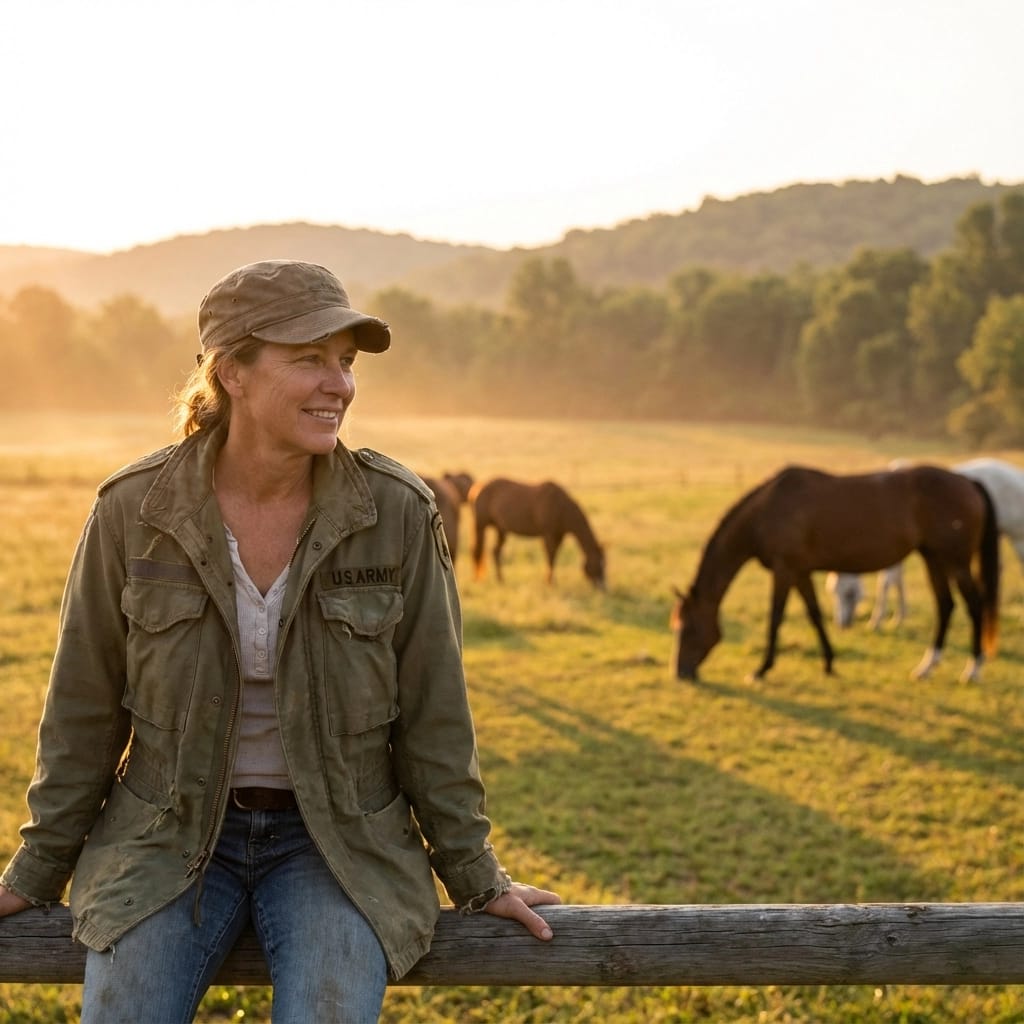
America’s 250th Birthday: Why Equine Therapy is a Vital Part of Our American Story

As we look toward July 4, 2026, the United States is preparing to celebrate a massive milestone: its 250th birthday. It’s a moment of reflection, a time to look back at the threads that have woven our national fabric together. At Strides For Heroes, we believe that the story of our veterans and first responders is the heartbeat of that history.

But there’s another thread that has been present since the very first day this nation was born: a silent, powerful partner that has stood beside our heroes through every conflict and every era of growth. We’re talking about the horse.

As part of the #America250 celebration and the #OurAmericanStory initiative, we’re starting a journey here on the blog. Twice a month, we’ll be exploring the connection between our nation’s history and the healing work we do today. Because the truth is, the story of the American horse and the American hero are one and the same.

A Legacy Born in 1776
When we think of the Revolutionary War, we often picture the famous paintings of George Washington. In almost every one of them, he is mounted on a horse: often his beloved Nelson or the striking gray, Blueskin. For Washington, horses weren’t just a means of transportation; they were his primary partners in leadership.

Back then, horses were the infrastructure of the birth of a nation. They carried the dispatches that warned of troop movements, they moved the artillery that protected our fledgling independence, and they carried the wounded off the fields of battle.

Washington was known as one of the finest horsemen of his time. He understood something that we still teach at our barn today: the bond between a human and a horse is built on trust, respect, and mutual understanding. After the war, Washington made sure his warhorse, Nelson, lived out his days in comfort at Mount Vernon: a well-deserved retirement for an “equine veteran.”

From the Battlefield to the Barn
As the centuries rolled on, the role of the horse changed, but their importance never wavered. During the Civil War, millions of horses and mules served. They were the lifeline for supply chains and the steady companions for soldiers facing unimaginable stress.

By the time the 20th century arrived, mechanization began to replace horses on the front lines. But even as they stepped away from the heat of combat, horses didn’t stop serving. They transitioned into ceremonial roles, like the Caisson Platoon at Arlington National Cemetery, and eventually into the vital supportive roles they play today.

Today, at Strides For Heroes, we see the modern chapter of this story. We provide Equine-Assisted Services that support veterans and first responders through connection, structure, and horse-guided experiences. The battlefield might have changed, and the “wounds” our heroes carry might be invisible, but the horse remains the same steady, nonjudgmental presence they have been for 250 years.

Honoring the Fallen, Supporting the Living
With Memorial Day just around the corner, this connection feels even more profound. Memorial Day is a time to pause and honor those who made the ultimate sacrifice for our freedom. It’s a day of deep reflection and community.

At our barn, we also think about the living: the veterans and first responders who are still here, carrying the weight of their service. Sometimes, that weight leads to a sense of burnout that doesn’t just “fix itself.” We’ve found that burnout often requires a grounded, peaceful reset.

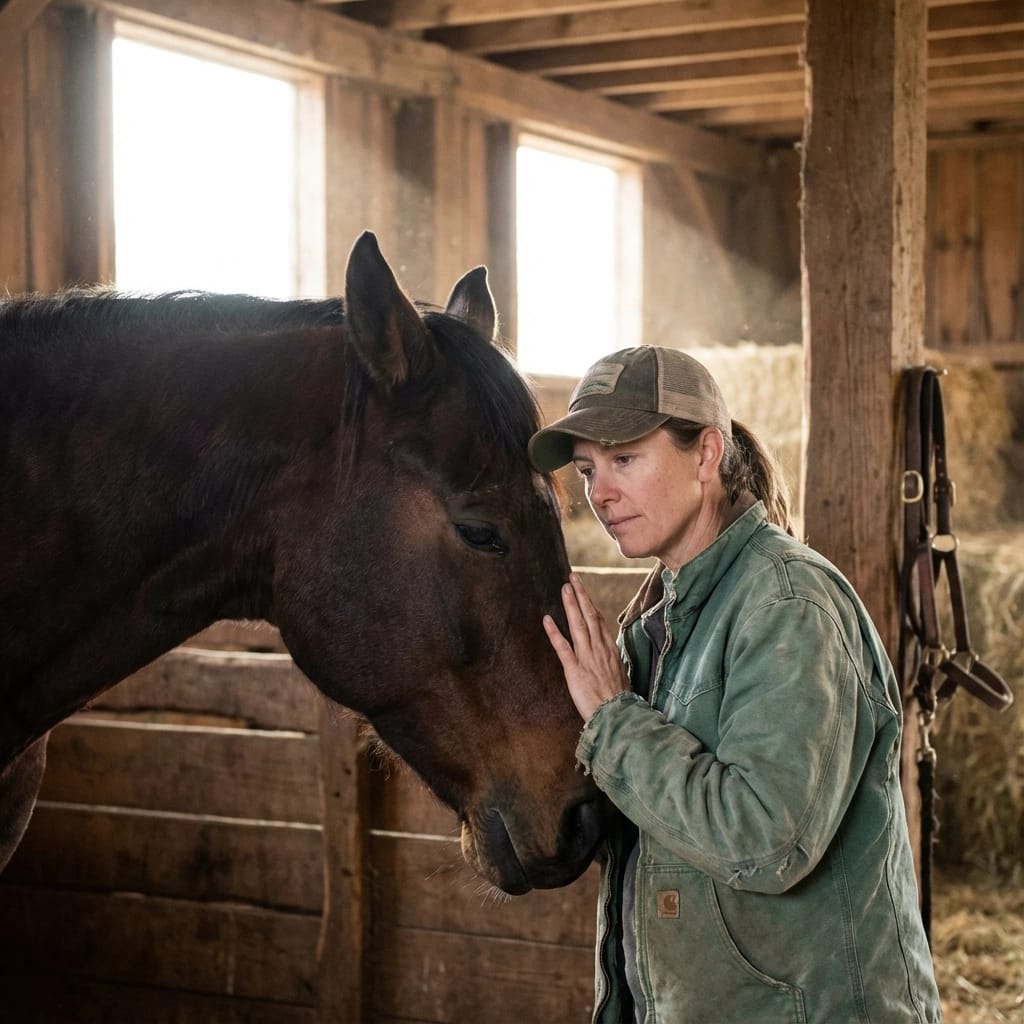
Connecting with horses offers exactly that. It’s a return to the present moment. A horse doesn’t care about what happened in 1776, and they don’t care about what happened during a shift last week. They only care about who you are right now, in this moment, standing next to them.

The Power of the Equine Therapeutic Program
You might wonder why we focus so much on horses rather than traditional office-based settings. It’s because horses are masters of emotional regulation. As prey animals, they are highly sensitive to the energy around them. If you’re stressed, they know. If you’re calm, they respond.

In our Equine therapeutic program, participants don’t just learn how to ride; they learn how to connect. This unique environment fosters:

  • Increased confidence: Mastering the skills to lead a thousand-pound animal builds a deep sense of capability.
  • Emotional regulation: Learning to stay calm and present so the horse feels safe creates a feedback loop of peace.
  • Connection and trust: For those who have felt isolated by their experiences, building a bond with a horse can be the first step toward reconnecting with the world.
  • Mindfulness and presence: You can’t be “somewhere else” when you’re working with a horse. They keep you anchored in the here and now.

Part of the #OurAmericanStory
Every veteran who walks into our barn is a part of the national legacy we are celebrating during #America250. Their stories: of sacrifice, resilience, and growth: are what make this country what it is.

Our mission is to ensure that these heroes have a safe, structured place to find hope. Whether it’s through our horse-guided experiences or simply finding a sense of purpose within our community, we are here to stand beside them, just as the horse has for two and a half centuries.

As we move toward the 250th anniversary, we invite you to be a part of this story. This work is only possible because of the donors, volunteers, and community partners who believe that our heroes deserve the very best support we can offer.

A Grounded Reset
If you’re feeling the weight of the world, or if you know a veteran or first responder who is looking for a way to slow down and breathe, we want you to know that the barn doors are open. There is no pressure here. There are no clinical labels or expectations. Just the quiet rustle of hay, the steady breath of a horse, and a community that understands.

Burnout doesn’t fix itself, but sometimes, a few minutes in a sunlit pasture can be the start of a whole new chapter.

No prior horse experience is required. Participants are supported by trained instructors and well-prepared horses in a safe, structured environment.

Honoring the Fallen, Supporting the Living: Our Memorial Day Mission at Strides For Heroes

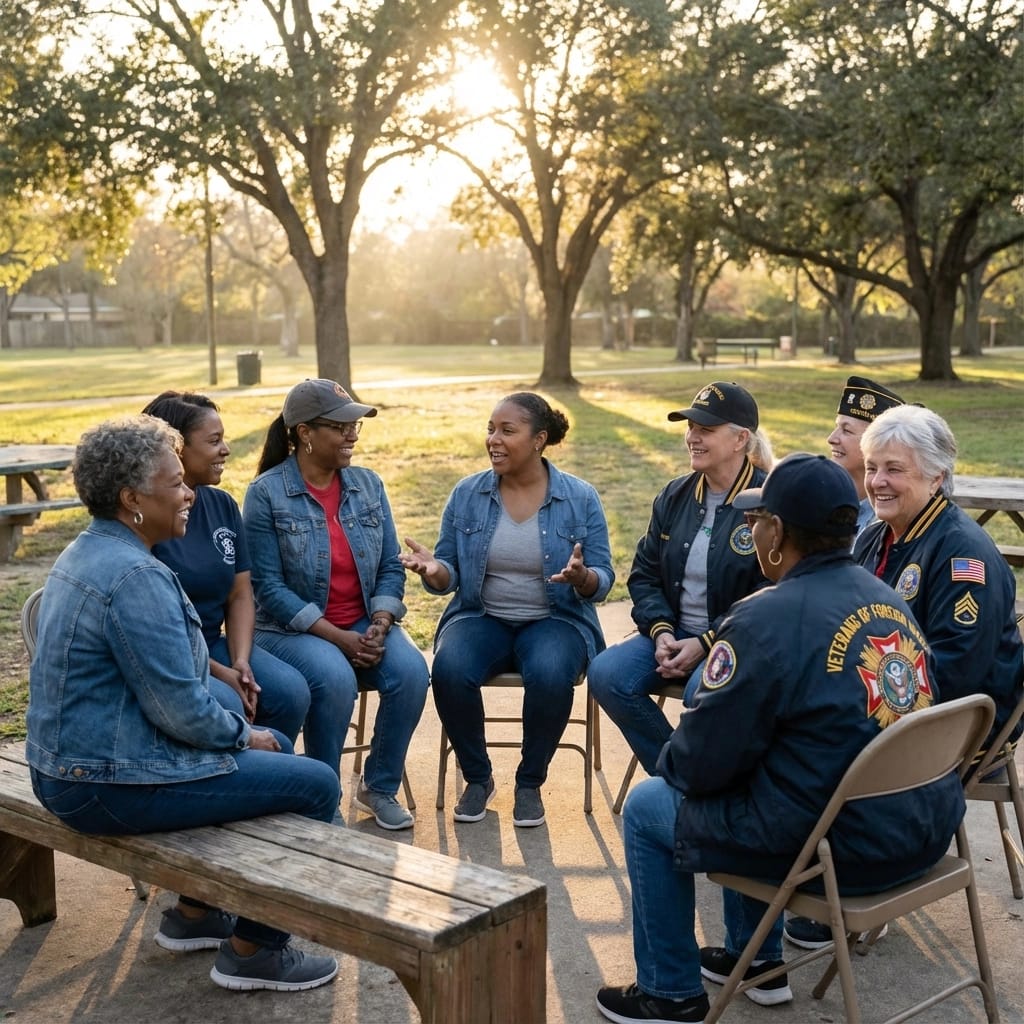
Memorial Day gives us a chance to pause and remember the men and women who gave everything in service to our country and our communities. It is a day marked by gratitude, reflection, and respect. At Strides For Heroes, we also hold space for the living , the veterans, active-duty service members, first responders, healthcare professionals, and family members who carry the weight of service every day.

The theme of this Memorial Day is simple and meaningful: Honoring the Fallen, Supporting the Living. For us, that means creating a place where people can slow down, breathe, and reconnect through the steady presence of horses.

Strides For Heroes provides Equine-Assisted Services that support veterans and first responders through connection, structure, and horse-guided experiences.

In many ways, that work is a living tribute. We cannot repay the sacrifices that have been made, and we would never reduce Memorial Day to a feel-good message. But we can choose to show up for the people who are still carrying stress, grief, responsibility, and burnout. We can choose to build a community that says: you matter, your family matters, and you do not have to carry it all alone.

Why horses matter
Horses have a way of bringing people back to the present moment. They do not ask anyone to perform. They do not care about rank, titles, or what someone is holding inside. They respond to steadiness, honesty, and connection. That simple interaction can offer a grounded reset for people who spend so much of their lives in high-alert environments.

Burnout doesn’t fix itself. Sometimes the most meaningful support starts with something as simple as stepping away from the noise, walking into the barn, and being in a calm, structured space with a horse. That kind of quiet connection can support stress relief, mindfulness and presence, improved self-awareness, emotional regulation, confidence, and a renewed sense of purpose.

A respectful way to serve those still serving
At Strides For Heroes, Memorial Day is not about making big promises. It is about remembering well and serving well. Our Equine therapeutic program is built around safe, non-clinical, horse-guided experiences that give participants room to breathe, reflect, and reconnect at their own pace.

No prior horse experience is required. Participants are supported by trained instructors and well-prepared horses in a safe, structured environment.

That matters because support should feel accessible. For some people, walking into a traditional setting may not feel like the right fit. A barn can offer something different , open space, fresh air, clear routines, and the steady presence of horses. For veterans and first responders, that can be a meaningful way to reconnect with themselves, with others, and with a sense of trust that may have felt out of reach.

Honoring sacrifice through community support
Memorial Day also reminds us that remembrance should lead to action. If we truly want to honor the fallen, we should care for the people and families who continue to serve and sacrifice. Community support makes that possible.

Donor generosity helps Strides For Heroes provide sessions, care for horses, maintain a safe and welcoming environment, and expand opportunities for the heroes and families we serve. Volunteers help create the kind of front-porch community that makes people feel welcome the moment they arrive. Every hour given and every dollar donated helps keep this work moving forward.

If you have been looking for a meaningful way to honor Memorial Day, this is one way to do it. You can support a program that meets people with dignity, calm, and connection. You can help make sure more veterans, first responders, and families have access to horse-guided experiences that remind them they are seen and supported.

How you can help
If this mission speaks to you, there are a couple of simple ways to get involved:

  • Make a donation to help support our horses, programs, and participant experiences.
  • Volunteer your time if you want to be part of a grounded, welcoming community that serves those who serve others.
  • Share our mission with friends, family, and community members who care about veterans and first responders.

Not every kind of support looks the same, and that is okay. Whether you give, volunteer, or simply help spread the word, it all matters.

This Memorial Day, we remember those we have lost with deep gratitude. And we recommit ourselves to supporting the living with compassion, consistency, and care.

Groundwork Over Riding: Why We Start on the Ground

When most people picture therapeutic equine programs, they often imagine riding lessons or mounted activities. It’s a natural assumption, after all, horses are meant to be ridden, right? But at Strides For Heroes, we’ve discovered something profound: some of the most meaningful connections between humans and horses happen with both feet firmly planted on the ground.

Our approach begins with groundwork, and there’s a beautiful wisdom in this choice. For veterans and first responders who carry invisible wounds from their service, the ground offers something riding cannot: a place to rebuild trust at their own pace, in their own time, without the added complexity of being mounted.

The Foundation of Connection

Groundwork isn’t about avoiding riding, it’s about creating the strongest possible foundation for whatever comes next. When someone arrives at our farm carrying stress, dealing with PTSD symptoms, or simply feeling disconnected from themselves and others, asking them to immediately climb onto a 1,200-pound animal can feel overwhelming.

Instead, we begin where all meaningful relationships start: on equal ground, quite literally.

Think about it this way: when you meet someone new, you don’t typically jump straight into the deepest conversation. You start with small exchanges, observe body language, and gradually build trust. The same principle applies to working with horses. Groundwork allows both horse and human to get acquainted without pressure, establishing communication patterns and boundaries that become essential for any future mounted work.

Our horses are remarkably attuned to human emotions. They can sense anxiety, tension, or uncertainty from across the arena. When someone approaches with their feet on the ground, they can focus entirely on this connection without worrying about balance, control, or the mechanics of riding. This creates space for what we call “presence”, the simple but powerful act of being fully engaged in the current moment.

What Groundwork Actually Looks Like

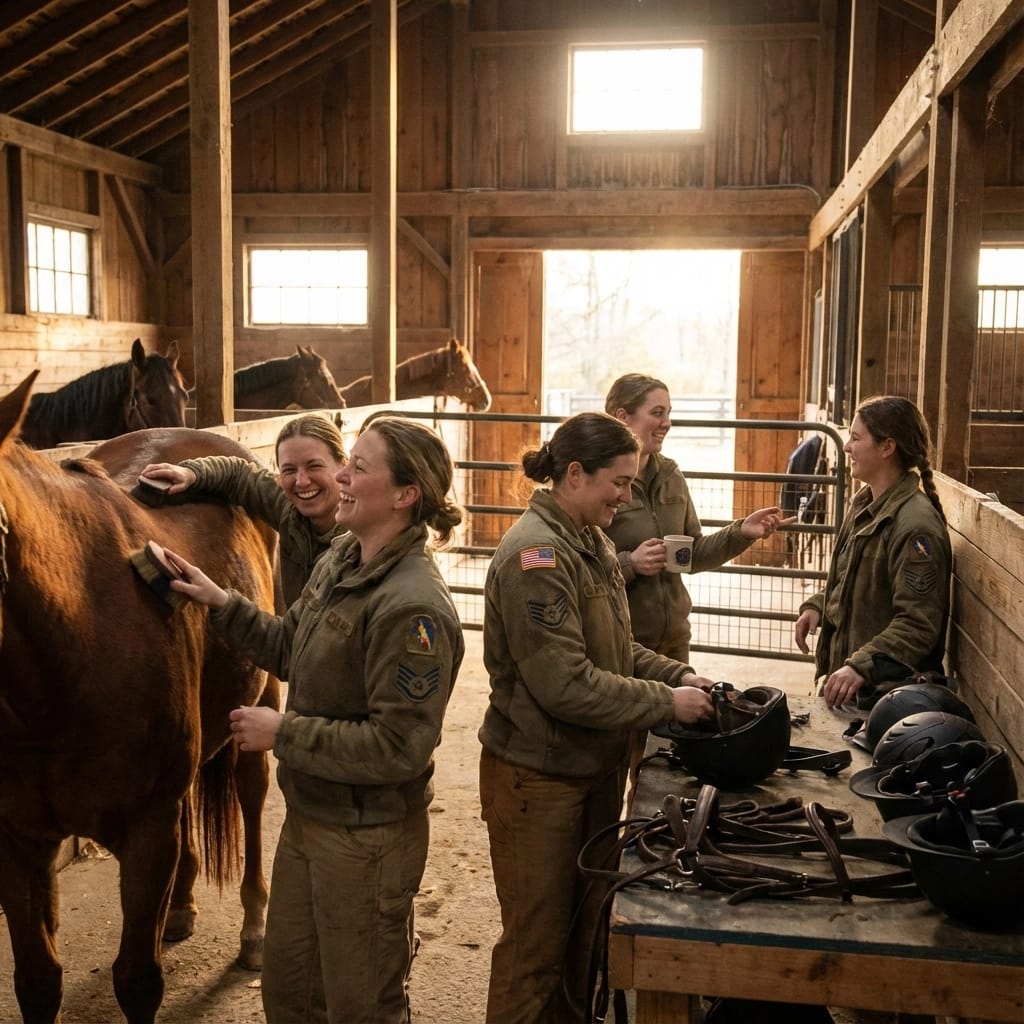
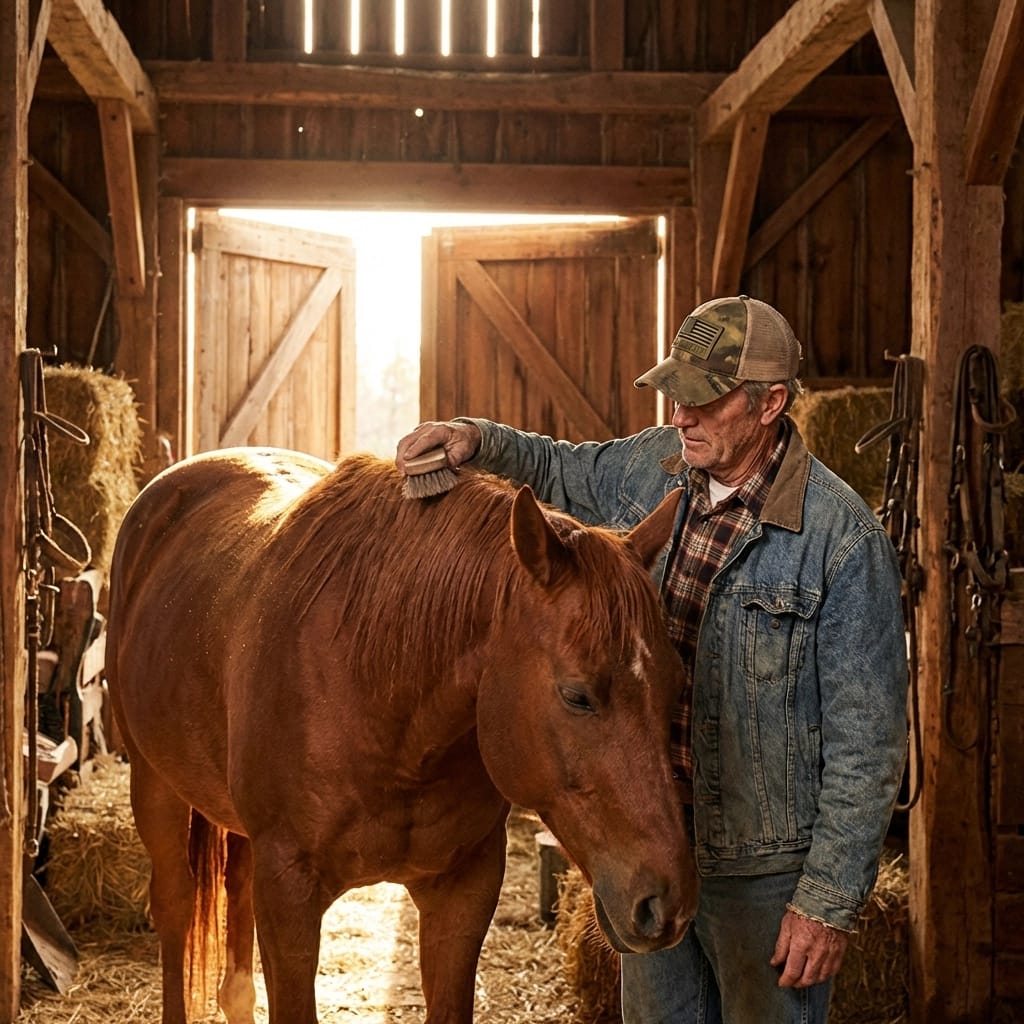
For those who’ve never experienced it, groundwork with horses encompasses a rich variety of activities that engage both mind and body. At Strides For Heroes, participants might find themselves gently brushing a horse’s coat, feeling the rhythm of their breathing, and noticing how the animal responds to their touch and energy. This grooming process often becomes meditative, offering a respite from racing thoughts or overwhelming emotions.

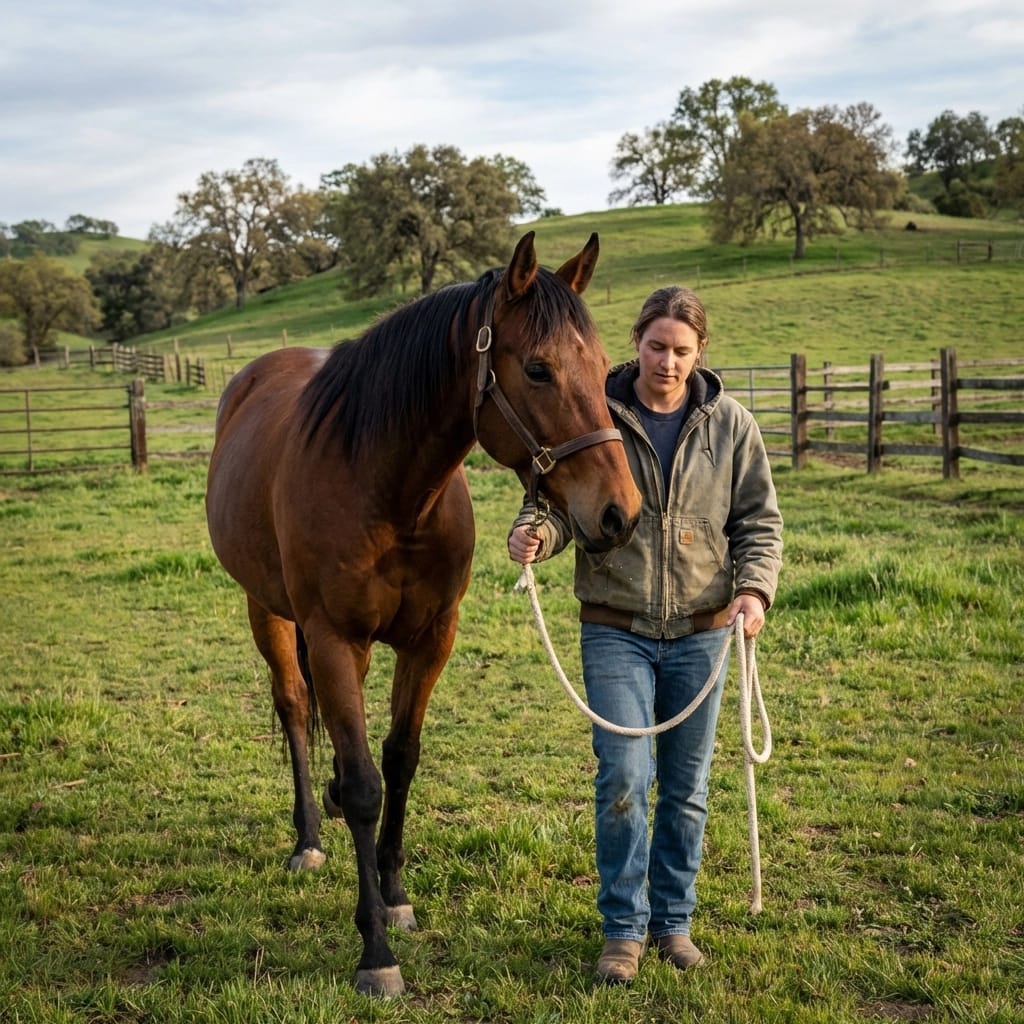
Leading exercises teach communication without words. Participants learn to guide horses using body language, subtle cues, and clear intention. There’s something incredibly empowering about realizing you can communicate effectively with such a large, powerful animal using nothing but presence and consistency. For veterans and first responders who may feel like they’ve lost their voice or influence, this realization can be transformative.

Sometimes groundwork is as simple as standing quietly with a horse, sharing space without agenda. These moments of observation allow participants to notice the horse’s natural behaviors, the way they interact with their environment, and how they respond to different people and situations. This watching and learning process often mirrors the self-awareness that becomes possible when we slow down enough to pay attention.

Other groundwork activities might include setting up obstacle courses that horses navigate while being led, practicing personal space boundaries, or even just sharing quiet time in the pasture. Each activity is designed with intention, but the pace and intensity always depend on what each individual needs in that moment.

Why Ground First Makes Sense for Our Community

Veterans and first responders know how to assess situations, read environments, and make split-second decisions under pressure. These skills serve them well in groundwork activities, where they can observe, evaluate, and respond without the added variable of being mounted. This familiarity with assessment and adaptation often helps participants feel more confident as they begin their journey with horses.

Strides For Heroes provides therapeutic equine programs that support veterans and first responders through connection, structure, and horse-guided experiences. Our groundwork approach allows participants to experience these benefits while maintaining a sense of control and safety that can be especially important for those dealing with hypervigilance or trust issues.

Many of our participants find that groundwork activities help with emotional regulation in ways they didn’t expect. The rhythmic nature of grooming, the focus required for leading exercises, and the immediate feedback horses provide all contribute to a kind of natural mindfulness practice. Horses respond honestly to human energy, they can’t be fooled by masks or facades. This authentic interaction often helps participants reconnect with parts of themselves they may have lost touch with during their service years.

The stress relief that comes from groundwork activities is both immediate and cumulative. In the moment, participants often report feeling calmer, more centered, and surprisingly at peace. Over time, many find that they carry this sense of groundedness into other areas of their lives, developing improved self-awareness and a stronger sense of personal agency.

Addressing the “But I Thought I’d Be Riding” Question

We understand that some people arrive expecting to ride, and we want to be completely transparent about our approach. Starting with groundwork isn’t a lesser version of equine programming, it’s often a deeper one. The connection and trust that develop through groundwork activities frequently exceed what participants initially thought possible.

That said, groundwork doesn’t preclude riding. Many participants do eventually choose to explore mounted activities as their comfort and confidence grow. But this progression happens naturally and at each individual’s pace. Some discover that they prefer groundwork and choose to focus their sessions there. Others find that the foundation they’ve built on the ground makes mounted work feel natural and enjoyable when they’re ready.

No prior horse experience is required. Participants are supported by trained instructors and well-prepared horses in a safe, structured environment. Our approach recognizes that everyone brings different experiences, comfort levels, and goals to their time at the farm.
For those dealing with physical injuries or limitations, groundwork often provides more options for meaningful engagement than mounted activities might. The adaptability of ground-based exercises means we can meet people where they are, both physically and emotionally, creating opportunities for connection and growth that feel accessible rather than daunting.

The Ripple Effects of Ground Connection

What continues to amaze us is how the lessons learned through groundwork extend far beyond our arena. Participants often report improved communication in their personal relationships, better stress management at work, and a renewed sense of purpose in their daily lives. The skills developed through horse-guided experiences, presence, clear communication, emotional regulation, and trust-building, translate directly into human interactions.

The confidence that grows from successfully communicating with and caring for horses often surprises participants. These animals don’t respond to rank, titles, or past accomplishments. They respond to authenticity, consistency, and calm energy. For veterans and first responders transitioning to civilian life or processing difficult experiences, this kind of authentic interaction can be both healing and empowering.

Many participants discover that horses offer a unique form of companionship. There’s no need to explain what happened overseas, describe the worst day on the job, or justify why certain sounds or situations feel overwhelming. Horses simply meet people where they are, offering acceptance and partnership without judgment or questions.

Moving Forward Together

At Strides For Heroes, we believe that healing and growth happen in many ways, and our groundwork approach honors the different paths people need to take. Whether someone spends one session with us or becomes a regular part of our community, whether they eventually choose to ride or prefer to keep their feet on the ground, what matters most is that they find what they need in their time with our horses.

If you’re considering joining our program but feel uncertain about riding, please know that groundwork offers its own rich world of possibilities. If you’re excited about the prospect of riding but willing to start slowly, our foundation-building approach will serve you well no matter what direction you choose to explore.

Our therapeutic equine programs welcome veterans, first responders, active-duty military members, and their families. We invite you to discover what’s possible when humans and horses meet on equal ground, where trust grows naturally and healing happens one gentle moment at a time.

Ready to experience the power of groundwork for yourself? Visit stridesforheroes.org or contact us to learn more about our programs and schedule your first visit. Sometimes the most profound journeys begin with the simple decision to show up and see what unfolds.

Female Veterans Finding Hope Through Horses

Female Veterans Finding Hope Through Horses

Female veterans face a unique set of challenges when transitioning back to civilian life. While all veterans navigate the complexities of leaving military service, women often encounter additional obstacles that can make their journey feel especially isolating. Many female veterans report feeling overlooked in traditional veteran spaces, struggling with trust issues, and seeking support environments where they feel truly safe and understood.

This is where the powerful connection between women and horses creates something truly remarkable. Strides For Heroes provides therapeutic equine programs that support veterans and first responders through connection, structure, and horse-guided experiences, offering female veterans a path toward renewed confidence and personal growth that feels both natural and empowering.

The Hidden Struggles of Female Veterans

Female veterans make up about 10% of the veteran population, yet their experiences often go unrecognized in spaces dominated by male perspectives. Many women who served report feeling invisible in traditional veteran support settings, where their unique experiences: including military sexual trauma, different combat roles, and gender-specific challenges: aren’t always understood or addressed appropriately.

The statistics tell a sobering story. Female veterans are more likely than their male counterparts to experience certain forms of trauma during their service, and they often struggle with feeling disconnected from their civilian communities after leaving the military. Traditional talk-based support approaches, while helpful for some, don’t always resonate with women who prefer more action-oriented, experiential ways of processing their experiences.

What makes these challenges even more complex is that many female veterans developed strong leadership skills, independence, and resilience during their military service. They’re accustomed to being capable, strong, and in control. When post-service struggles arise, it can feel particularly difficult to ask for help or admit vulnerability: especially in environments where they might feel judged or misunderstood.

Why Safety and Agency Matter

For female veterans, safety isn’t just about physical security: it’s about emotional safety, psychological safety, and the ability to maintain agency over their own healing journey. Many women who served learned to be hypervigilant about their surroundings and relationships, skills that served them well in military environments but can become exhausting in civilian life.

This is where horses offer something extraordinary. Unlike human relationships, which can feel complicated or potentially threatening, horses provide honest, immediate feedback without judgment. They don’t have hidden agendas, they don’t make assumptions about what a person “should” be feeling, and they respond purely to the energy and intentions of the person in front of them.

When a female veteran approaches a horse, she’s met with curiosity rather than preconceived notions. The horse doesn’t know about her military service, her struggles, or her past experiences. This creates a clean slate: a rare opportunity to be present in the moment without the weight of expectations or stereotypes.

Building Trust Through Connection

Female veterans often report that one of their biggest challenges is learning to trust again: both themselves and others. Military service can create strong bonds, but it can also expose people to betrayal, trauma, and disappointment that makes civilian relationships feel risky.

Horses are naturally prey animals, which means they’re incredibly sensitive to the emotions and intentions of those around them. They can sense when someone is anxious, angry, or disconnected, and they respond accordingly. This immediate feedback creates opportunities for increased self-awareness that might take months to develop in other settings.

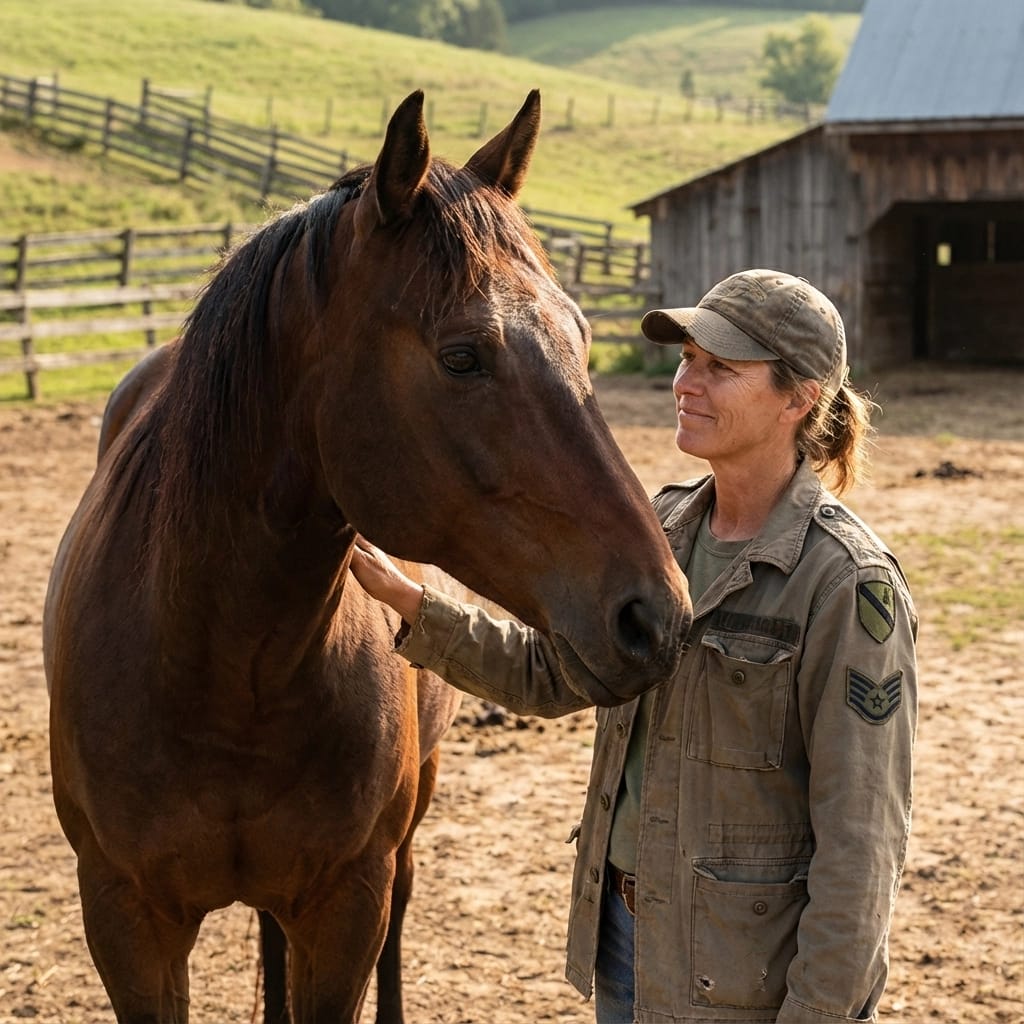
When a female veteran works with a horse and experiences that moment when the horse chooses to trust her: stepping closer, lowering its head, or following her lead: something profound happens. It’s not just about the horse’s trust; it’s about rediscovering her own trustworthiness and leadership abilities that might have been buried under post-service struggles.

Reclaiming Leadership and Strength

Many female veterans were leaders in their military roles, whether formally or informally. They made decisions under pressure, took care of their teams, and demonstrated competence in challenging situations. However, post-service life can sometimes make them feel like they’ve lost that sense of purpose and capability.

Horse-guided experiences naturally encourage leadership development. Horses are herd animals that look for confident, calm leadership from humans. When working with horses, female veterans often rediscover their natural leadership abilities in a low-pressure, non-judgmental environment.

The beauty of equine-assisted activities is that they require presence and authenticity. Horses can sense when someone is trying to be something they’re not, so participants naturally learn to show up as themselves: often for the first time in years. This authentic presence becomes the foundation for rebuilding confidence and self-trust.

A Different Kind of Strength

Society often tells women that strength means being tough all the time, never showing vulnerability, and handling everything independently. For female veterans, this pressure can be even more intense because they’re also navigating stereotypes about what it means to be both a woman and a veteran.

Horses teach a different kind of strength: one that includes gentleness, vulnerability, and emotional awareness. A powerful horse can be led by the softest touch when there’s genuine connection and trust. This demonstrates that true leadership isn’t about force or dominance; it’s about presence, consistency, and authentic communication.

Through horse-guided experiences, female veterans often discover that their sensitivity and emotional awareness: qualities that society sometimes dismisses as weaknesses: are actually tremendous strengths. Horses respond beautifully to people who can read their emotions and respond with empathy and understanding.

The Strides For Heroes Approach

At Strides For Heroes, every aspect of our therapeutic equine programs is designed with inclusivity and safety in mind. We understand that female veterans need spaces where they feel seen, heard, and respected for their unique experiences and perspectives.

Our programs create structured environments where participants can engage with horses at their own pace. Some days, that might mean grooming and ground work. Other days, it might simply mean sitting quietly with a horse and experiencing the peace that comes from that connection. There’s no pressure to achieve specific goals or meet particular timelines: the focus is on personal growth and self-discovery.

No prior horse experience is required. Participants are supported by trained instructors and well-prepared horses in a safe, structured environment. Our horses are carefully selected not just for their temperament and training, but for their ability to connect with people who are working through difficult experiences.
Creating Community and Connection

One of the most powerful aspects of our therapeutic equine programs is the sense of community they create. Female veterans often report feeling isolated in civilian life, struggling to find people who understand their experiences. In our programs, they connect not just with horses, but with other women who share similar backgrounds and challenges.

These connections happen naturally as participants work alongside each other, sharing the barn work, learning from each other’s interactions with the horses, and simply being present in the same healing space. There’s something about the barn environment that breaks down walls and allows for authentic connections to form.

Many participants describe feeling like they’ve found their “tribe”: people who understand military culture, who don’t judge them for their struggles, and who celebrate their growth without making it feel forced or artificial. These relationships often extend beyond the program sessions, creating lasting support networks that contribute to long-term wellness and personal growth.

Rediscovering Purpose and Joy

For many female veterans, one of the most challenging aspects of civilian life is finding a new sense of purpose. Military service often provides clear mission, structure, and meaning. When that structure disappears, it can leave people feeling adrift and disconnected from what matters to them.

Working with horses naturally provides a sense of purpose. Horses need care, attention, and consistency. They create routine and responsibility that feels meaningful rather than burdensome. Many participants find that caring for horses reconnects them with parts of themselves they thought they’d lost: their nurturing abilities, their capacity for patience, their natural leadership skills.

The joy that comes from connecting with these magnificent animals is often the first genuine happiness many participants have felt in months or years. Horses live fully in the present moment, and their enthusiasm for life is contagious. They remind us that healing doesn’t have to be somber or serious all the time: it can include play, laughter, and simple moments of contentment.

Moving Forward with Hope

The transformation that happens through therapeutic equine programs isn’t always dramatic or immediate. Sometimes it’s subtle: a moment when a participant realizes they’ve been breathing more deeply, sleeping better, or feeling more like themselves again. Sometimes it’s more obvious: a newfound confidence in their abilities, improved emotional regulation, or a renewed sense of connection and trust in relationships.

What remains consistent is the sense of hope that emerges. Female veterans who felt stuck, isolated, or disconnected often rediscover their strength, resilience, and capacity for growth. They remember that they are capable of healing, of leading, and of creating meaningful connections with others.

At Strides For Heroes, we’ve witnessed countless moments when female veterans realize they’re not broken: they’re healing. They’re not weak: they’re brave enough to try something new. They’re not alone: they’re part of a community that understands and supports their journey.

The path forward looks different for every participant, but it’s marked by increased confidence, improved self-awareness, and a renewed sense of purpose. These women leave our programs not just with tools for managing stress and emotional regulation, but with a deeper understanding of their own strength and worth.

If you’re a female veteran who’s been searching for a different kind of support: one that honors your strength while making space for your vulnerability: we invite you to learn more about our therapeutic equine programs. Your service matters, your struggles are valid, and your healing journey deserves to be supported with the respect and understanding you’ve earned.

You don’t have to navigate this path alone. Sometimes hope arrives on four legs, with a gentle spirit and an open heart, ready to walk alongside you toward a future filled with possibility and renewed strength.