As we look toward July 4, 2026, the United States is preparing to celebrate a massive milestone: its 250th birthday. It’s a moment of reflection, a time to look back at the threads that have woven our national fabric together. At Strides For Heroes, we believe that the story of our veterans and first responders is the heartbeat of that history.
But there’s another thread that has been present since the very first day this nation was born: a silent, powerful partner that has stood beside our heroes through every conflict and every era of growth. We’re talking about the horse.
As part of the #America250 celebration and the #OurAmericanStory initiative, we’re starting a journey here on the blog. Twice a month, we’ll be exploring the connection between our nation’s history and the healing work we do today. Because the truth is, the story of the American horse and the American hero are one and the same.
A Legacy Born in 1776
When we think of the Revolutionary War, we often picture the famous paintings of George Washington. In almost every one of them, he is mounted on a horse: often his beloved Nelson or the striking gray, Blueskin. For Washington, horses weren’t just a means of transportation; they were his primary partners in leadership.
Back then, horses were the infrastructure of the birth of a nation. They carried the dispatches that warned of troop movements, they moved the artillery that protected our fledgling independence, and they carried the wounded off the fields of battle.
Washington was known as one of the finest horsemen of his time. He understood something that we still teach at our barn today: the bond between a human and a horse is built on trust, respect, and mutual understanding. After the war, Washington made sure his warhorse, Nelson, lived out his days in comfort at Mount Vernon: a well-deserved retirement for an “equine veteran.”
From the Battlefield to the Barn
As the centuries rolled on, the role of the horse changed, but their importance never wavered. During the Civil War, millions of horses and mules served. They were the lifeline for supply chains and the steady companions for soldiers facing unimaginable stress.
By the time the 20th century arrived, mechanization began to replace horses on the front lines. But even as they stepped away from the heat of combat, horses didn’t stop serving. They transitioned into ceremonial roles, like the Caisson Platoon at Arlington National Cemetery, and eventually into the vital supportive roles they play today.
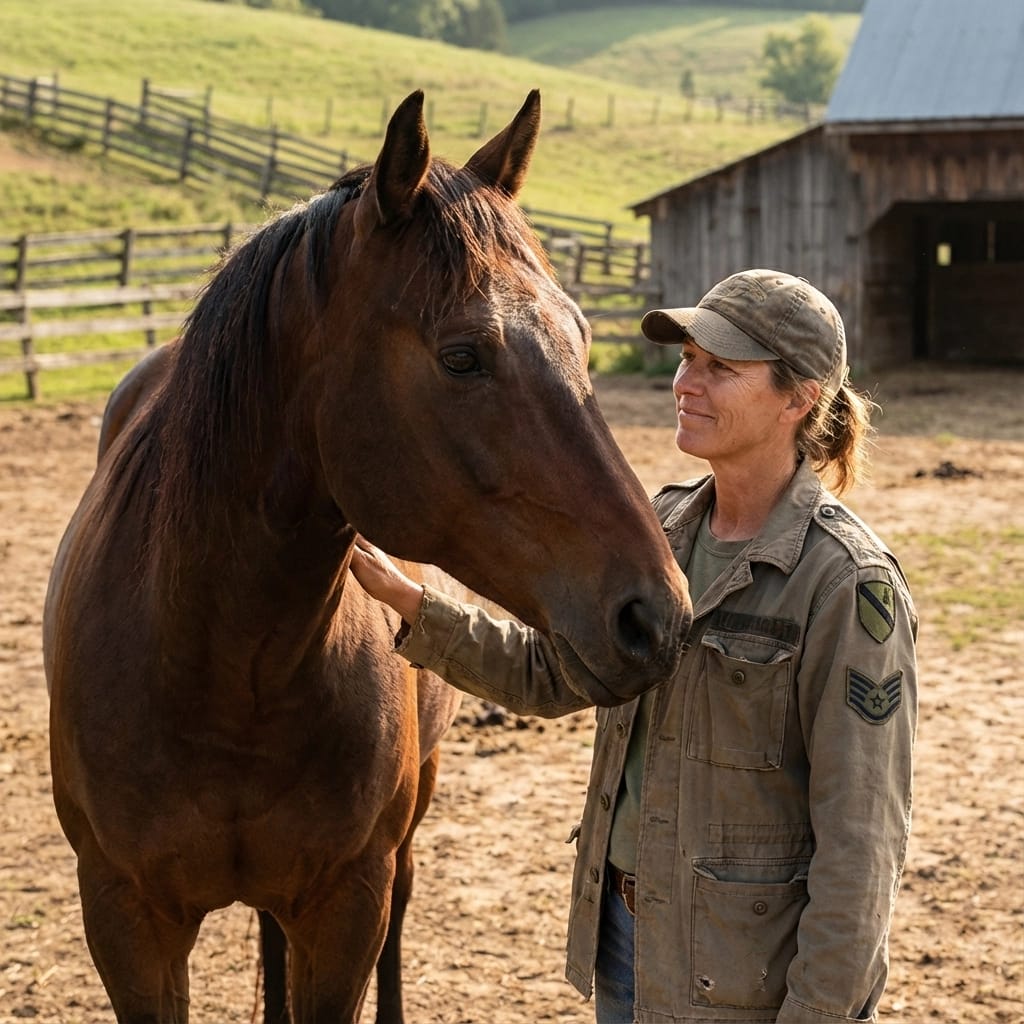
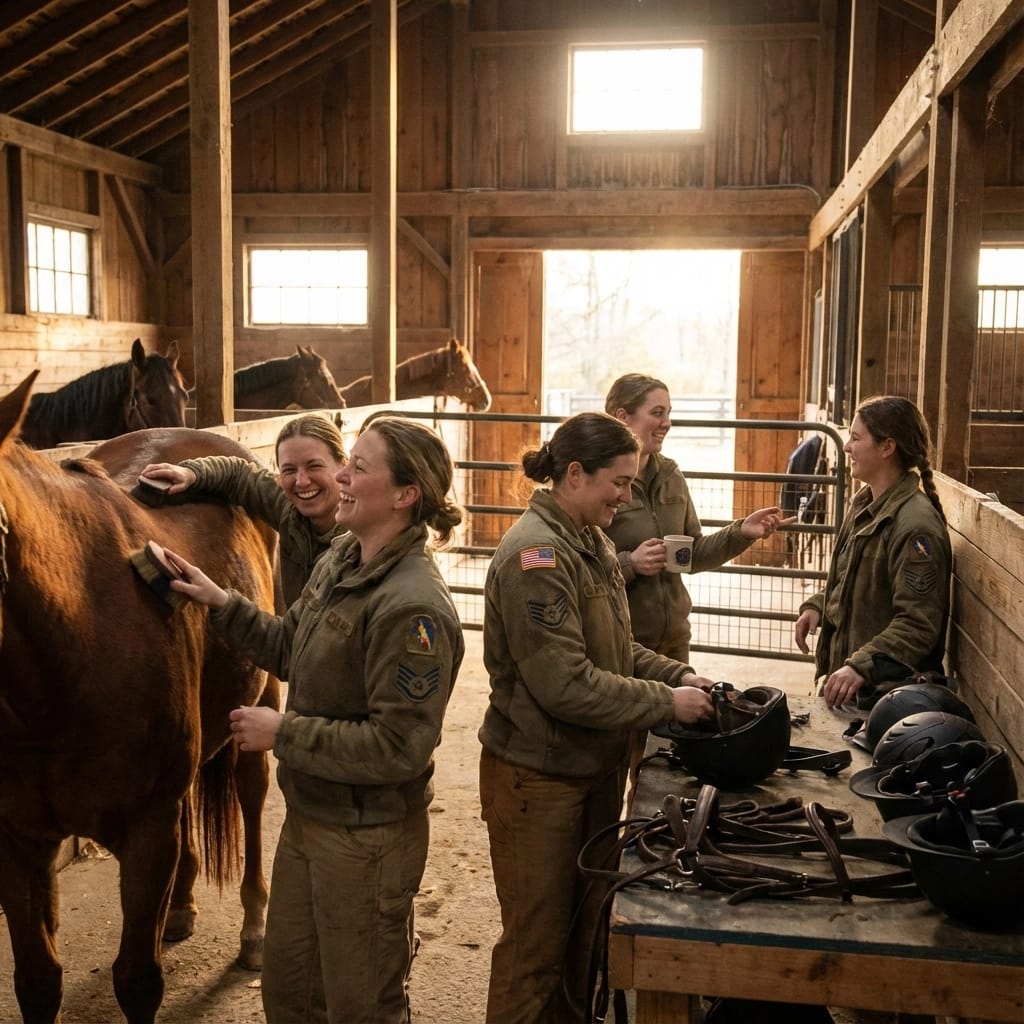
Today, at Strides For Heroes, we see the modern chapter of this story. We provide Equine-Assisted Services that support veterans and first responders through connection, structure, and horse-guided experiences. The battlefield might have changed, and the “wounds” our heroes carry might be invisible, but the horse remains the same steady, nonjudgmental presence they have been for 250 years.
Honoring the Fallen, Supporting the Living
With Memorial Day just around the corner, this connection feels even more profound. Memorial Day is a time to pause and honor those who made the ultimate sacrifice for our freedom. It’s a day of deep reflection and community.
At our barn, we also think about the living: the veterans and first responders who are still here, carrying the weight of their service. Sometimes, that weight leads to a sense of burnout that doesn’t just “fix itself.” We’ve found that burnout often requires a grounded, peaceful reset.
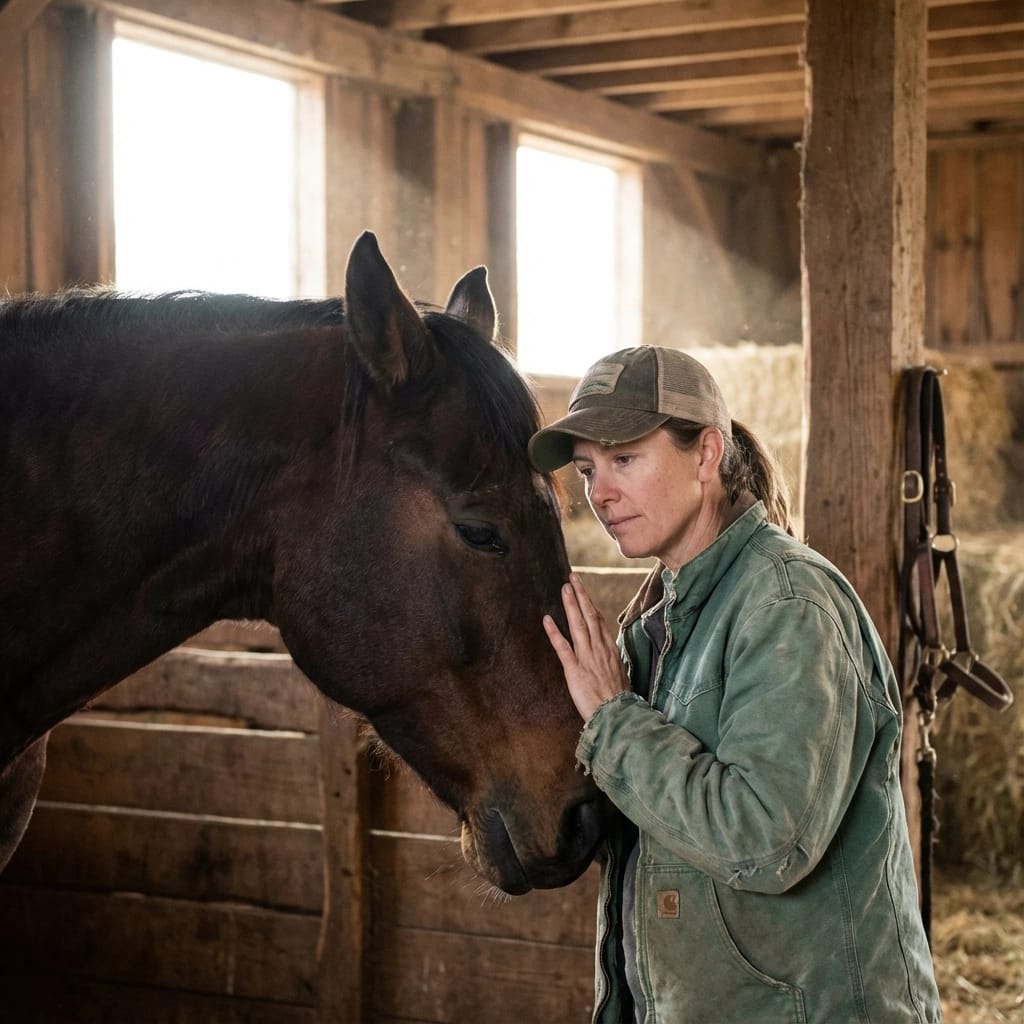
Connecting with horses offers exactly that. It’s a return to the present moment. A horse doesn’t care about what happened in 1776, and they don’t care about what happened during a shift last week. They only care about who you are right now, in this moment, standing next to them.
The Power of the Equine Therapeutic Program
You might wonder why we focus so much on horses rather than traditional office-based settings. It’s because horses are masters of emotional regulation. As prey animals, they are highly sensitive to the energy around them. If you’re stressed, they know. If you’re calm, they respond.
In our Equine therapeutic program, participants don’t just learn how to ride; they learn how to connect. This unique environment fosters:
- Increased confidence: Mastering the skills to lead a thousand-pound animal builds a deep sense of capability.
- Emotional regulation: Learning to stay calm and present so the horse feels safe creates a feedback loop of peace.
- Connection and trust: For those who have felt isolated by their experiences, building a bond with a horse can be the first step toward reconnecting with the world.
- Mindfulness and presence: You can’t be “somewhere else” when you’re working with a horse. They keep you anchored in the here and now.

Part of the #OurAmericanStory
Every veteran who walks into our barn is a part of the national legacy we are celebrating during #America250. Their stories: of sacrifice, resilience, and growth: are what make this country what it is.
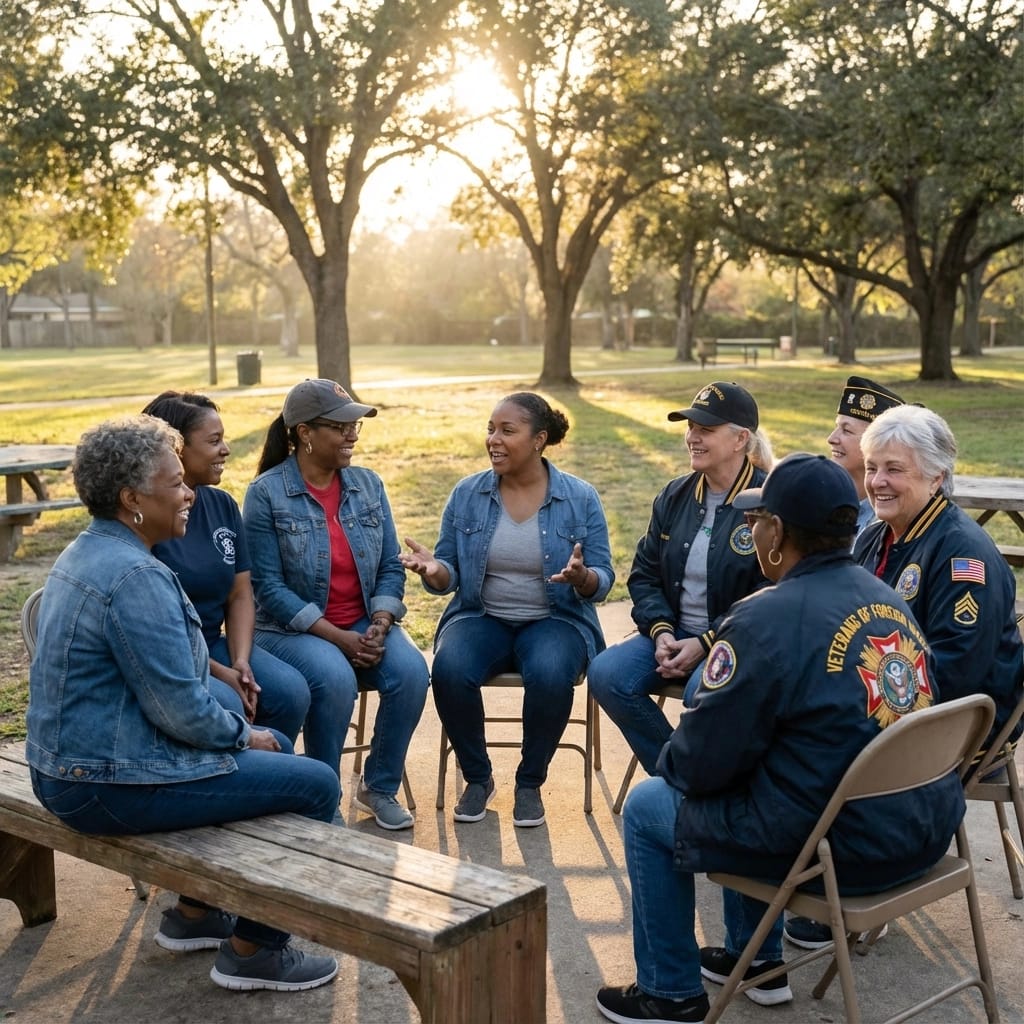
Our mission is to ensure that these heroes have a safe, structured place to find hope. Whether it’s through our horse-guided experiences or simply finding a sense of purpose within our community, we are here to stand beside them, just as the horse has for two and a half centuries.
As we move toward the 250th anniversary, we invite you to be a part of this story. This work is only possible because of the donors, volunteers, and community partners who believe that our heroes deserve the very best support we can offer.
A Grounded Reset
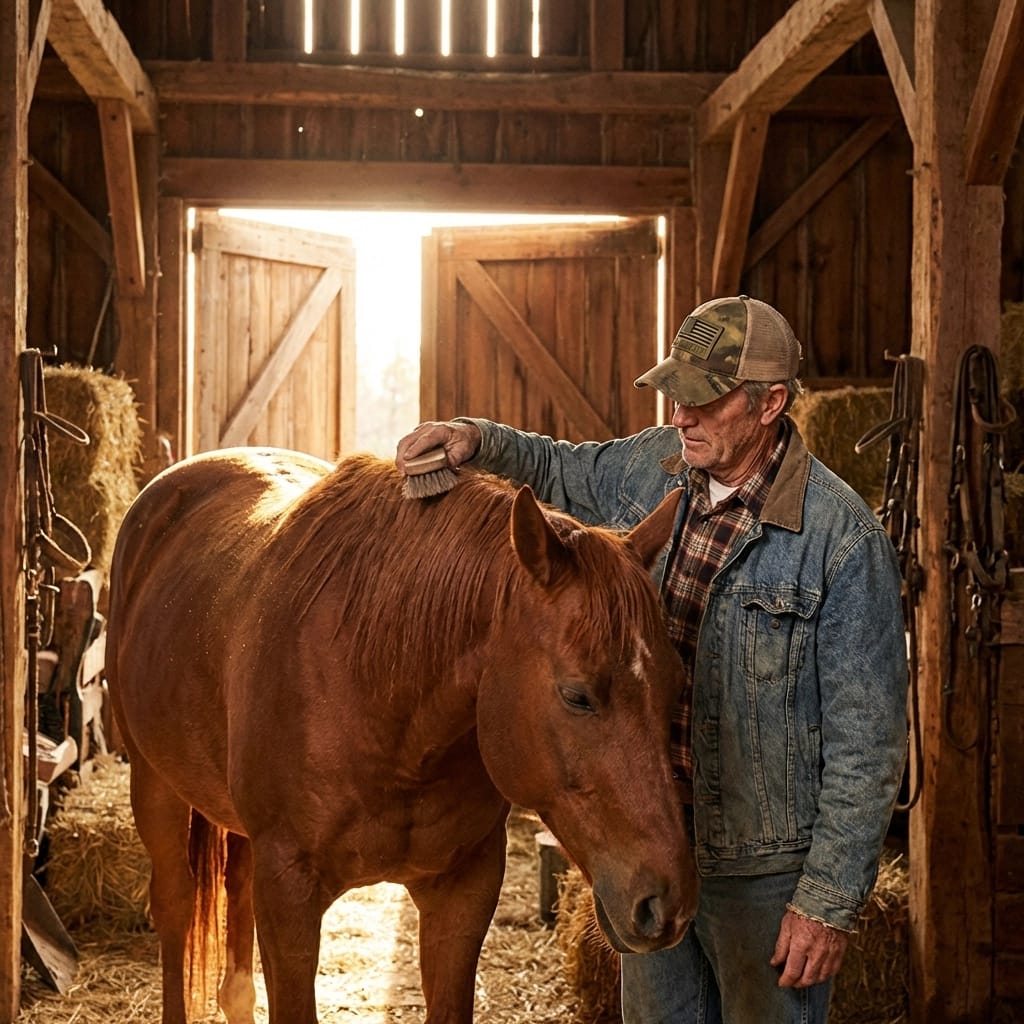
If you’re feeling the weight of the world, or if you know a veteran or first responder who is looking for a way to slow down and breathe, we want you to know that the barn doors are open. There is no pressure here. There are no clinical labels or expectations. Just the quiet rustle of hay, the steady breath of a horse, and a community that understands.
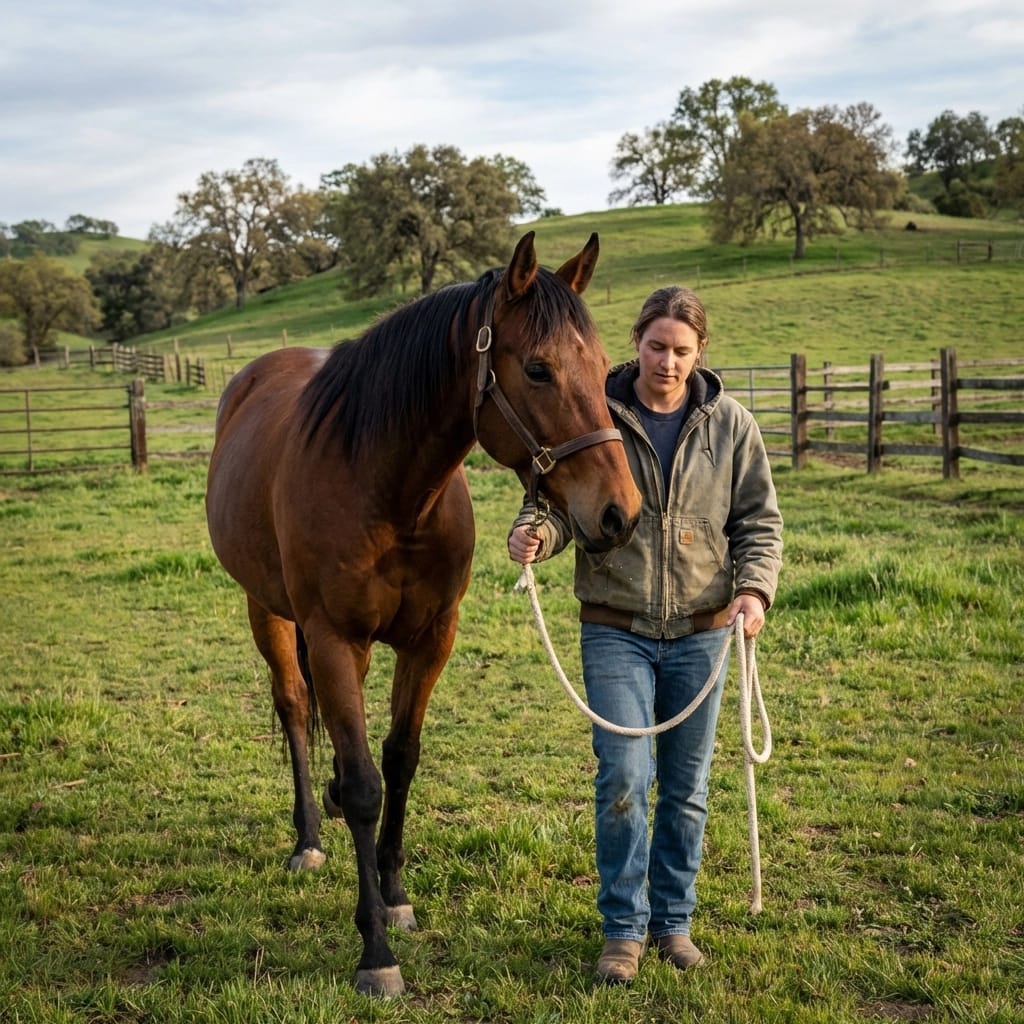
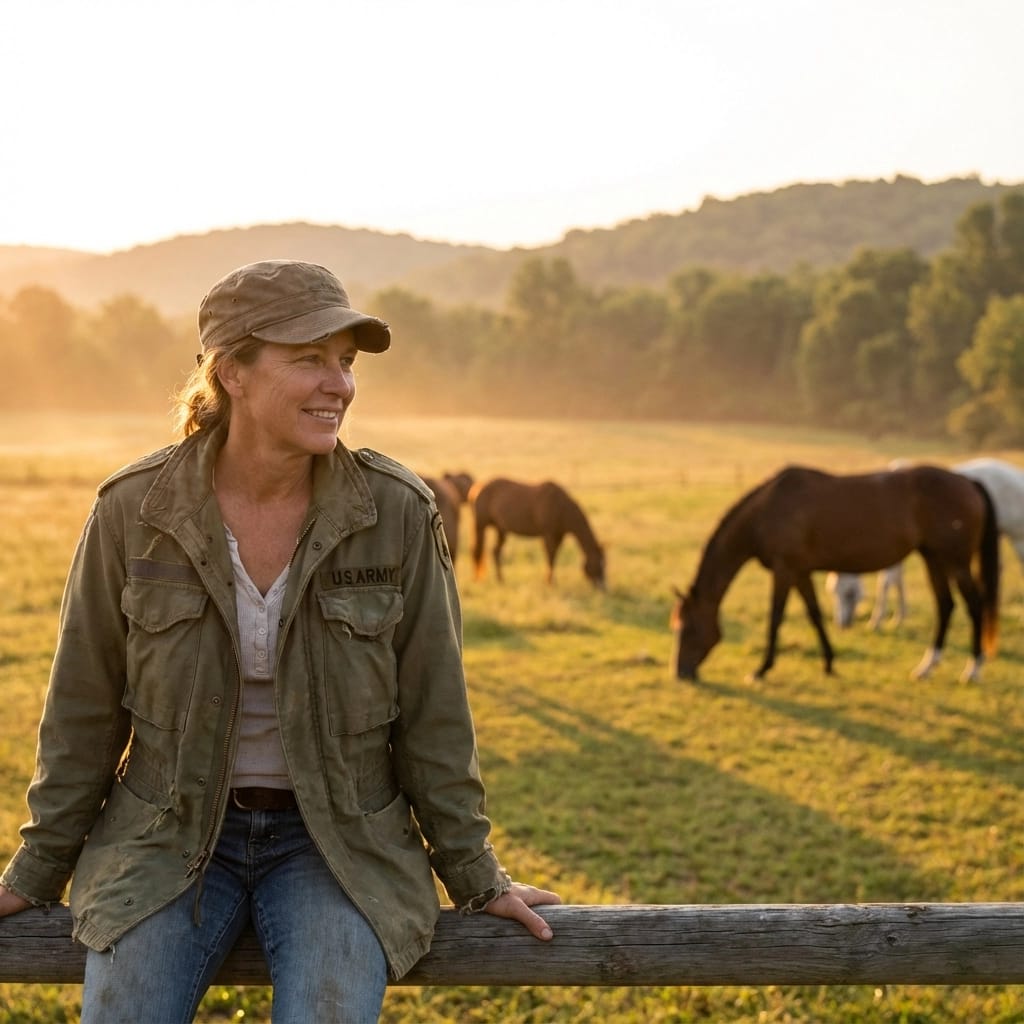
Burnout doesn’t fix itself, but sometimes, a few minutes in a sunlit pasture can be the start of a whole new chapter.

No prior horse experience is required. Participants are supported by trained instructors and well-prepared horses in a safe, structured environment.