Presidents’ Day

Honoring Service, Leadership, and Those Who Serve: A Presidents’ Day Tribute

Happy Presidents’ Day from all of us at Strides For Heroes! We’re popping in with a special holiday post today because, honestly, this day feels deeply connected to everything we stand for.

Presidents’ Day falls on the third Monday of February each year: landing somewhere between February 15th and 21st: and it’s a federal holiday that honors the office of the presidency and the service of all who have held it. But when you dig a little deeper, you realize this day is really about something bigger: leadership, service, and sacrifice.

And that’s exactly what we want to celebrate today.

A Brief Look Back: The Roots of Presidents’ Day

Originally, this holiday was all about George Washington. Back in 1796, Americans began celebrating his birthday on February 22nd, recognizing the man who led the Continental Army to victory during the Revolutionary War, presided over the Constitutional Convention, and served as our very first president from 1789 to 1797.

Washington set the tone for what leadership in America could look like: strength paired with humility, courage balanced with wisdom.

Over time, the holiday evolved. In 1971, the Uniform Monday Holiday Act shifted the celebration to the third Monday of February, creating a three-day weekend. And as the years passed, Abraham Lincoln: another February-born president who preserved the Union through the Civil War and abolished slavery: became closely associated with the day too.

Today, Presidents’ Day has grown into a broader tribute. It honors all who have served in the highest office in the land, celebrating the qualities that define great leadership: courage, dedication, vision, and an unwavering commitment to serving others.

Leadership Isn’t Just in the Oval Office

Here’s the thing about leadership and service: it doesn’t only happen in Washington, D.C. It happens in our neighborhoods, our communities, and on battlefields and streets across the country every single day.

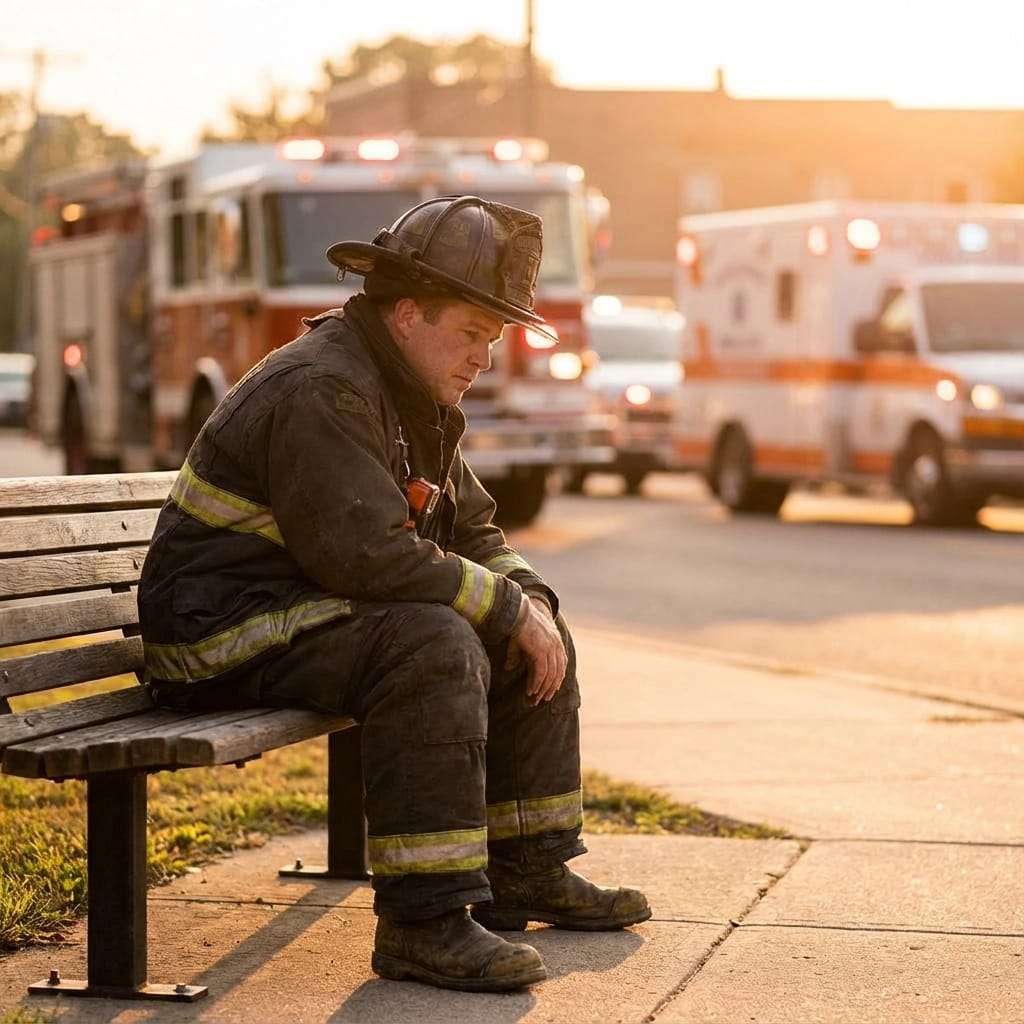
When we think about the qualities that made leaders like Washington and Lincoln so remarkable: selflessness, bravery, putting others before themselves: we can’t help but see those same qualities reflected in our veterans and first responders.

These are the men and women who raise their hands and say, “I’ll go. I’ll serve. I’ll protect.” They step into danger so that others don’t have to. They sacrifice time with their families, their comfort, and sometimes their own well-being for the greater good.

That’s leadership. That’s service. And that’s exactly who Strides For Heroes exists to support.

Honoring Our Heroes at Strides For Heroes

At Strides For Heroes, we have the incredible privilege of walking alongside veterans and first responders as they navigate life after service. And let us tell you: these individuals continue to inspire us every single day.

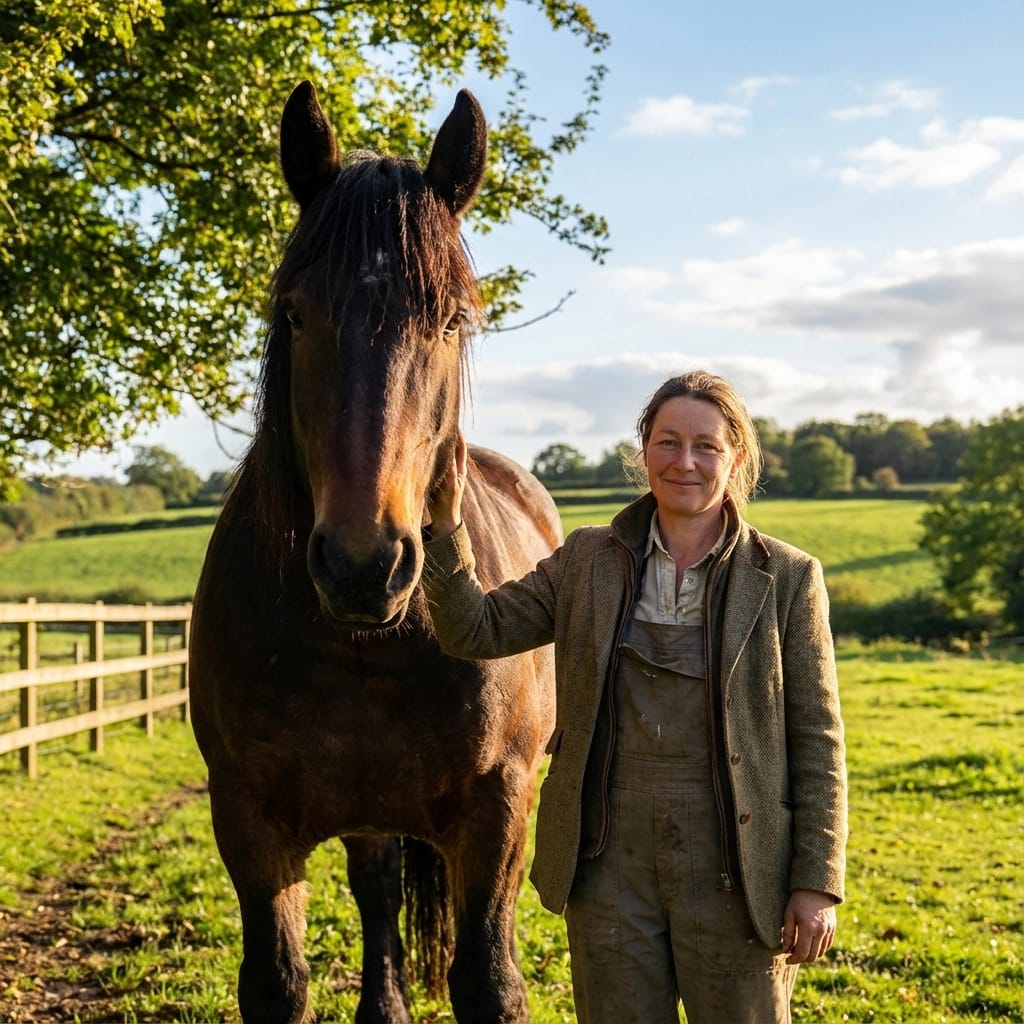
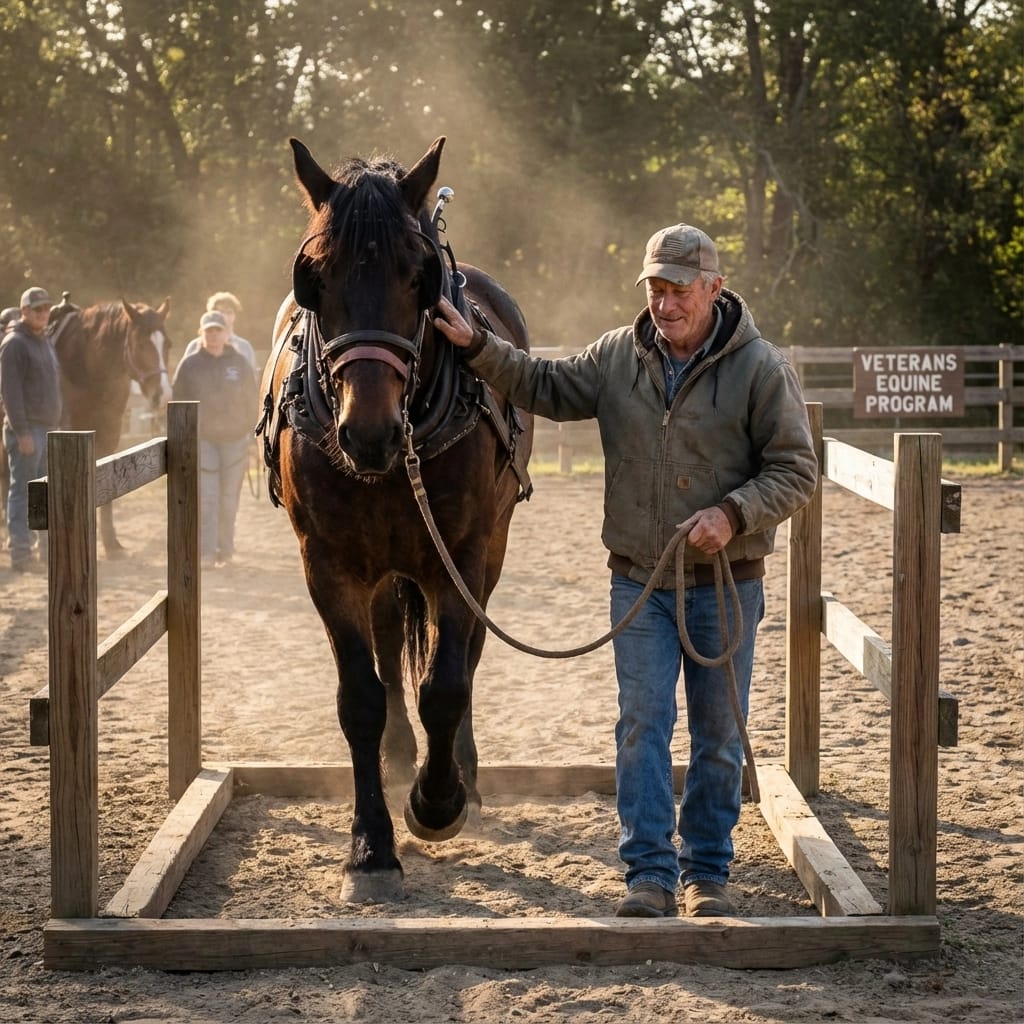
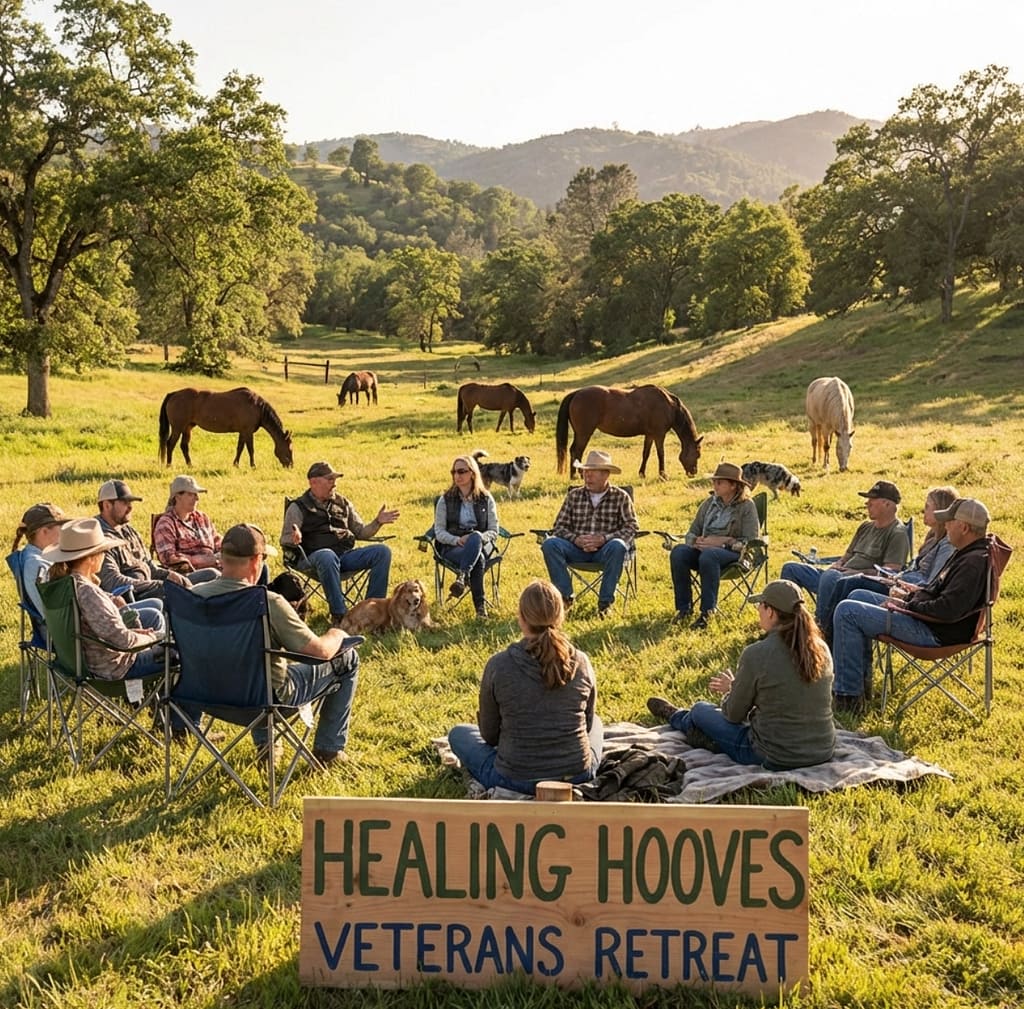
Strides For Heroes provides therapeutic equine programs that support veterans and first responders through connection, structure, and horse-guided experiences.

Our programs aren’t about riding off into the sunset (though that does sound pretty nice, doesn’t it?). They’re about creating meaningful connections: between our participants and the horses, between participants and our team, and most importantly, between our heroes and themselves.

When someone who has spent years protecting others finally has the space to focus on their own well-being? That’s powerful. That’s what we get to witness regularly, and it never gets old.

Why Horses? The Connection to Service and Leadership

You might be wondering: what do horses have to do with Presidents’ Day? Bear with us here, because the connection runs deeper than you might think.

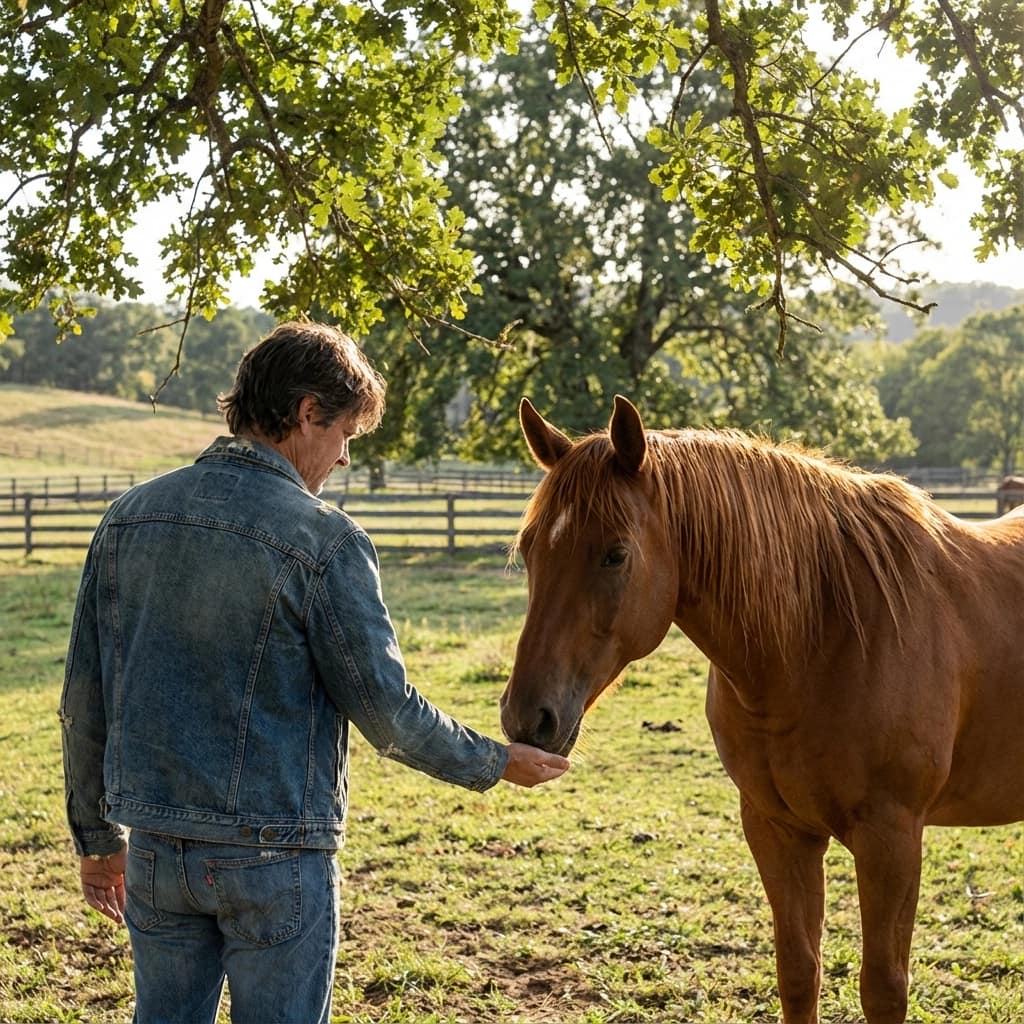
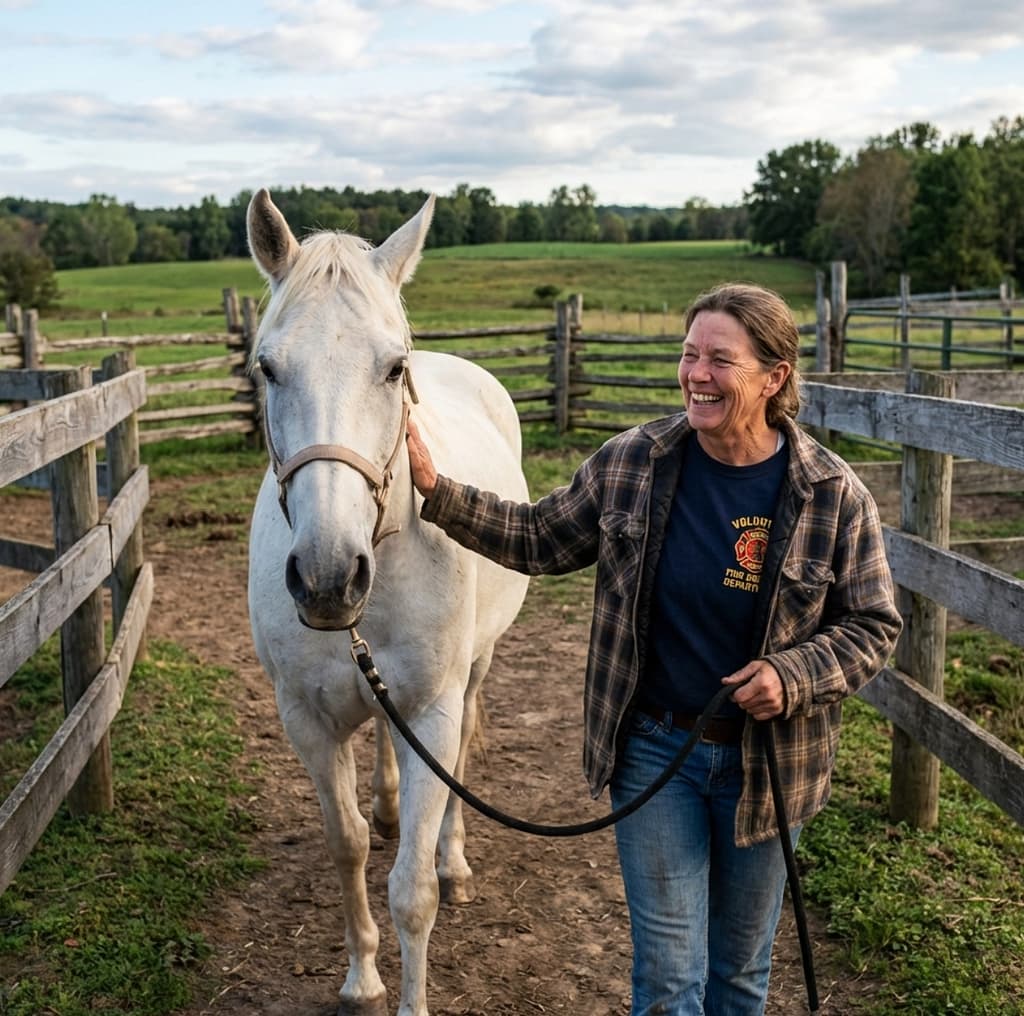
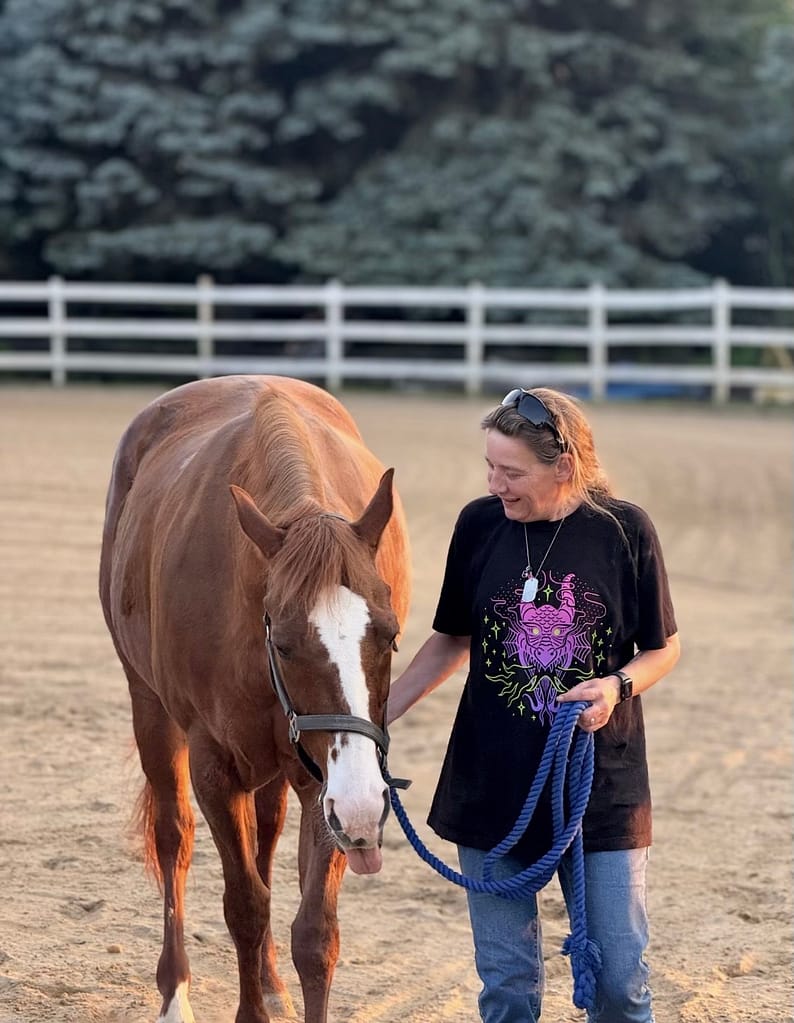
Horses are incredibly intuitive animals. They respond to the energy and emotions of the people around them, which means they don’t care about rank, titles, or how tough you appear on the outside. They meet you exactly where you are.

For veterans and first responders who have spent careers being strong for everyone else, this can be a game-changer. Horses create a space where it’s okay to just be: to breathe, to feel, and to reconnect with parts of yourself that may have gotten buried under years of service.

Our participants often experience incredible outcomes through their time with our horses, including:

  • Increased confidence in themselves and their abilities
  • Improved self-awareness and understanding of their emotions
  • Emotional regulation and tools for managing stress
  • Connection and trust: both with the horses and with others
  • Stress relief in a peaceful, outdoor environment
  • A renewed sense of purpose and direction
  • Personal growth and mindfulness

These aren’t clinical promises: they’re real experiences we’ve seen transform lives, one horse-guided session at a time.

No Experience Required: Just an Open Heart

One thing we always want to make crystal clear: No prior horse experience is required. Participants are supported by trained instructors and well-prepared horses in a safe, structured environment.

Whether you’ve never been near a horse in your life or you grew up around them, our programs meet you where you are. There’s no pressure, no judgment: just support, connection, and the gentle presence of some truly amazing animals.

If you’re a veteran or first responder curious about what we do, or if you know someone who might benefit from our programs, we’d love to hear from you. You can learn more about getting involved on our website at https://stridesforheroes.org or reach out directly through our contact page: https://stridesforheroes.org/contact-us

Celebrating Service Today and Every Day

Presidents’ Day gives us a moment to pause and reflect on what leadership and service really mean. It’s a day when government offices close, schools take a break, and we’re invited to think about the men and women who have shaped our nation.

But here at Strides For Heroes, we believe that honoring service shouldn’t be limited to one Monday in February.

Every veteran who served overseas, every first responder who runs toward danger, every family member who supports their loved one through the challenges of service: they all deserve recognition. They all deserve support. And they all deserve to know that their sacrifices matter.

How You Can Honor Service This Presidents’ Day

  1. Reach out to a veteran or first responder in your life. A simple “thank you for your service” or “I’m thinking of you” can mean more than you know.
  2. Learn about organizations supporting our heroes. Whether it’s Strides For Heroes or another organization in your community, take some time to discover how people are giving back.
  3. Consider volunteering or donating. If you’re looking for a way to make a difference, we’d love to have you join our mission. Check out our fundraising events: https://stridesforheroes.org/product-category/fund-raising-event or visit our blog: https://stridesforheroes.org/blog
  4. Share the message. Sometimes the biggest impact comes from simply spreading the word. Share this post, talk to your friends and family, and help us reach more heroes who could benefit from connection and support.

A Tribute to All Who Serve

As we enjoy this long weekend, let’s take a moment to honor not just the presidents who have led our nation, but all the leaders among us: the veterans, the first responders, the everyday heroes who show up and serve without fanfare or recognition.

To our Strides For Heroes family: our participants, volunteers, donors, and supporters: thank you. Thank you for being part of a community that believes in the power of connection, the importance of service, and the healing presence of horses.

Happy Presidents’ Day, everyone.

Supporting Our Mission

Strides For Heroes exists because of community support. Every session, program, and opportunity is made possible by those who believe in serving veterans, first responders, and their families.

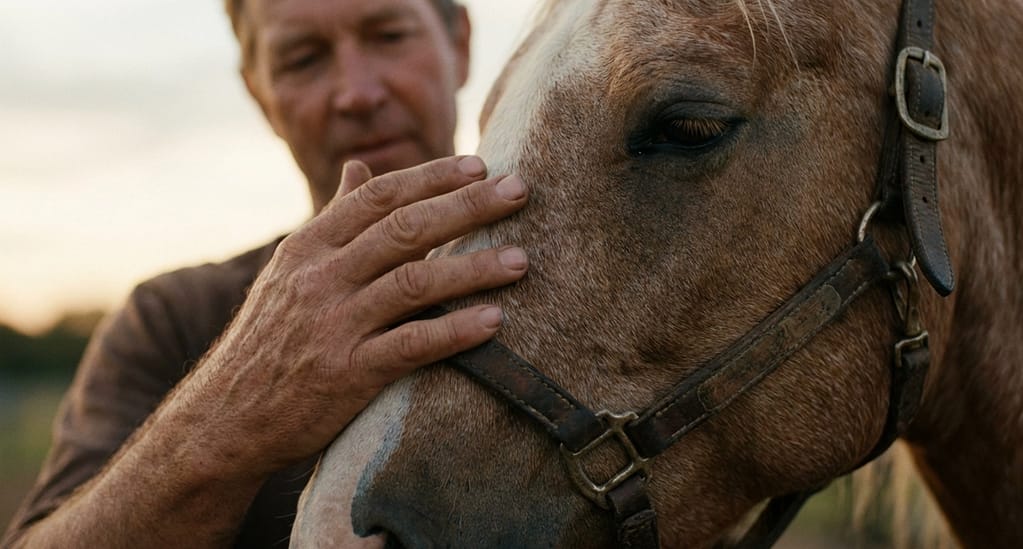
A Different Kind of Love

Valentine’s Day is often associated with cards, flowers, and grand gestures—but some of the most meaningful forms of love are quieter. They show up in patience, consistency, and the simple act of being present.

At Strides For Heroes, we see this kind of love every day.

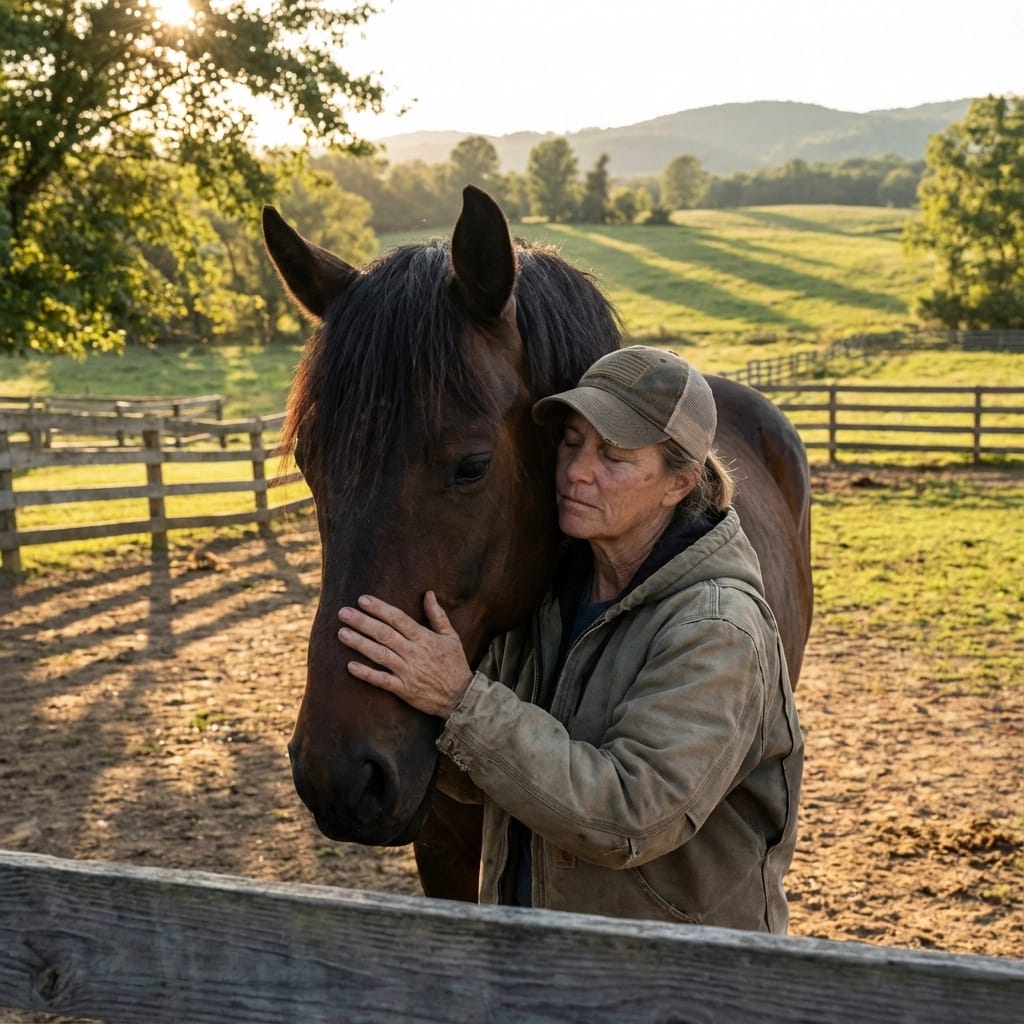
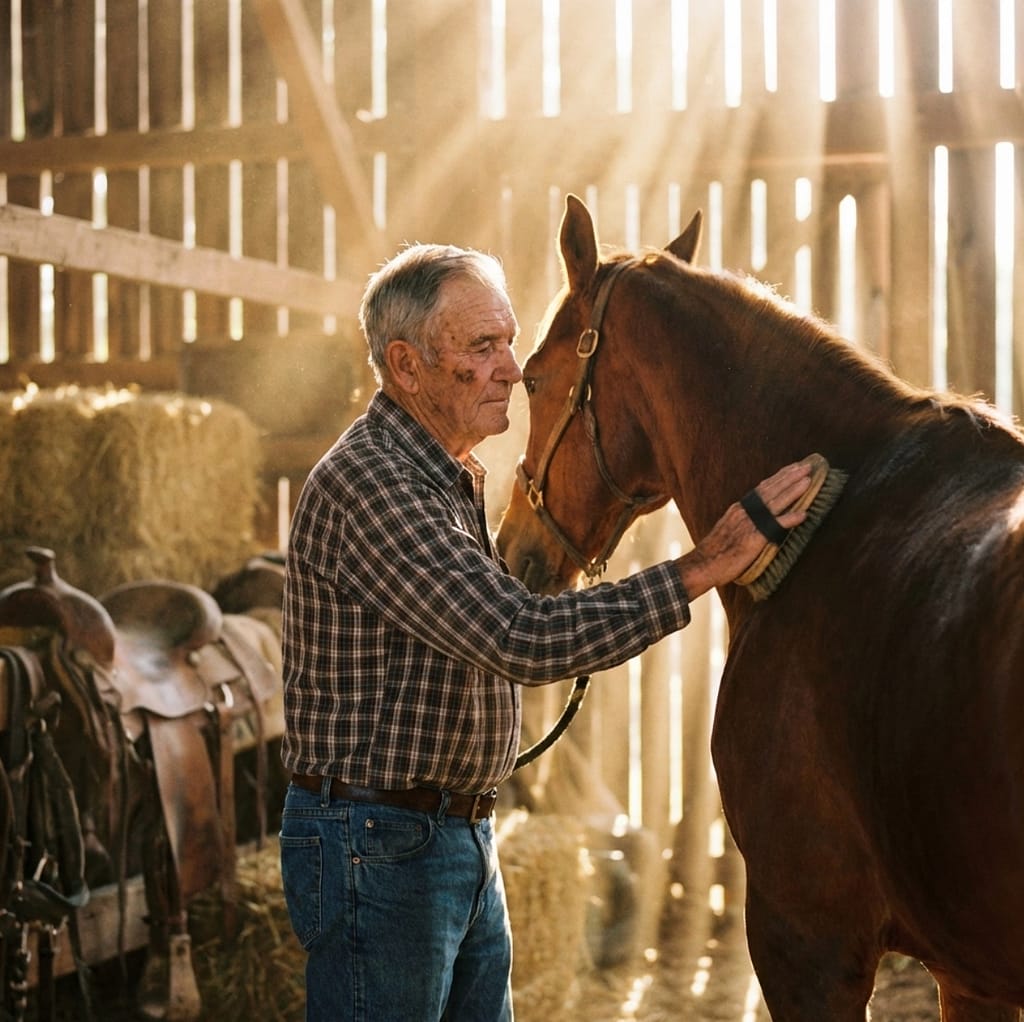
It’s the steady presence of a horse standing calmly beside someone who needs a moment to breathe. It’s the trust built slowly, without pressure or expectation. It’s the connection that forms when words aren’t required and nothing needs to be fixed.

Horses offer a rare kind of honesty. They respond to what they sense, not what they are told. They don’t judge the past or rush the process. Instead, they meet people exactly where they are—with awareness, softness, and respect. In those moments, participants often discover a sense of calm and connection that can feel hard to find elsewhere.

For many veterans, first responders, and their families, finding a safe space to simply *be* can feel like a challenge. The weight of stress, trauma, and expectation doesn’t always ease with words alone. Sometimes, healing begins in stillness—in the quiet company of a horse who asks for nothing but offers everything.

Our equine-assisted programs create room for that kind of connection. There’s no timeline, no pressure to “get better” on someone else’s schedule. Just space to breathe, to feel, and to rebuild trust—with a horse, with others, and often, with yourself.

This Valentine’s Day, we honor a broader definition of love—the kind rooted in trust, safety, and mutual understanding. The love that grows through shared quiet moments. The love that reminds someone they are seen, valued, and not alone.

At Strides For Heroes, love looks like a horse choosing to stand close.
It sounds like a slow breath.
It feels like belonging.

Whether you are part of our programs, a supporter from afar, or someone just learning about our mission, we are grateful for the role you play in this community. Love takes many forms, and every one of them matters.

Happy Valentine’s Day from all of us at Strides For Heroes.

How Therapeutic Equine Programs Support First Responders

First responders carry the weight of their communities on their shoulders every single day. Police officers, firefighters, paramedics, and emergency medical technicians face high-pressure situations that most of us can’t imagine, often witnessing trauma and making split-second decisions that can mean the difference between life and death. This constant exposure to stress takes a cumulative toll that traditional support methods don’t always address effectively.

Many first responders prefer action-based approaches over talk-based settings when seeking support for the challenges they face. That’s where therapeutic equine programs create something truly special – a space where these dedicated professionals can find relief, connection, and personal growth through meaningful interactions with horses.

Strides For Heroes provides therapeutic equine programs that support veterans and first responders through connection, structure, and horse-guided experiences. Our programs are designed specifically with the unique needs of first responders in mind, creating a non-clinical, structured environment where healing happens naturally.

Understanding the Unique Challenges First Responders Face

The daily reality for first responders involves constant exposure to human suffering, life-threatening situations, and the pressure to perform flawlessly when lives hang in the balance. This creates a perfect storm of cumulative stress that builds over time, often leading to burnout, emotional exhaustion, and difficulty connecting with family and friends outside of work.

Unlike many other professions, first responders can’t simply “leave work at work.” The hypervigilance required on the job – that constant state of alertness for potential danger – doesn’t turn off at the end of a shift. Many find themselves struggling with sleep, irritability, and a sense of isolation that traditional support approaches don’t effectively address.

The culture within first responder communities often emphasizes strength, self-reliance, and putting others before yourself. While these qualities make first responders incredibly effective at their jobs, they can also make it challenging to seek support when needed. Many prefer hands-on, experiential approaches over sitting in a room talking about their experiences.

Why Horses Make Perfect Partners for First Responders

Horses possess an remarkable ability to sense human emotions and energy, providing immediate, honest feedback without judgment. This creates an ideal environment for first responders who value straightforward communication and authentic interactions. Horses don’t care about your rank, your reputation, or your professional accomplishments – they respond to who you are in the moment.

Through equine-assisted activities, first responders often experience increased self-awareness as horses mirror their emotional state. If someone approaches a horse while feeling stressed or agitated, the horse will pick up on that energy immediately. This provides valuable insight into emotional patterns and helps develop better emotional regulation skills.

The relationship that forms between a first responder and a horse is built on mutual respect, clear communication, and trust – values that resonate deeply with the first responder community. Horses require confident, calm leadership, but they also respond to gentleness and patience. This combination helps first responders rediscover parts of themselves that may have been buried under layers of professional armor.

No prior horse experience is required. Participants are supported by trained instructors and well-prepared horses in a safe, structured environment. Each session is designed to meet individuals where they are, allowing them to engage at their own pace without pressure or judgment.

Shared Values: Structure, Teamwork, and Trust

One of the most powerful aspects of therapeutic equine programs for first responders is how naturally the experience aligns with values they already hold dear. Horses thrive on structure and routine, just like first responder work environments. They understand hierarchy, respond to clear direction, and perform better when they know what’s expected of them.

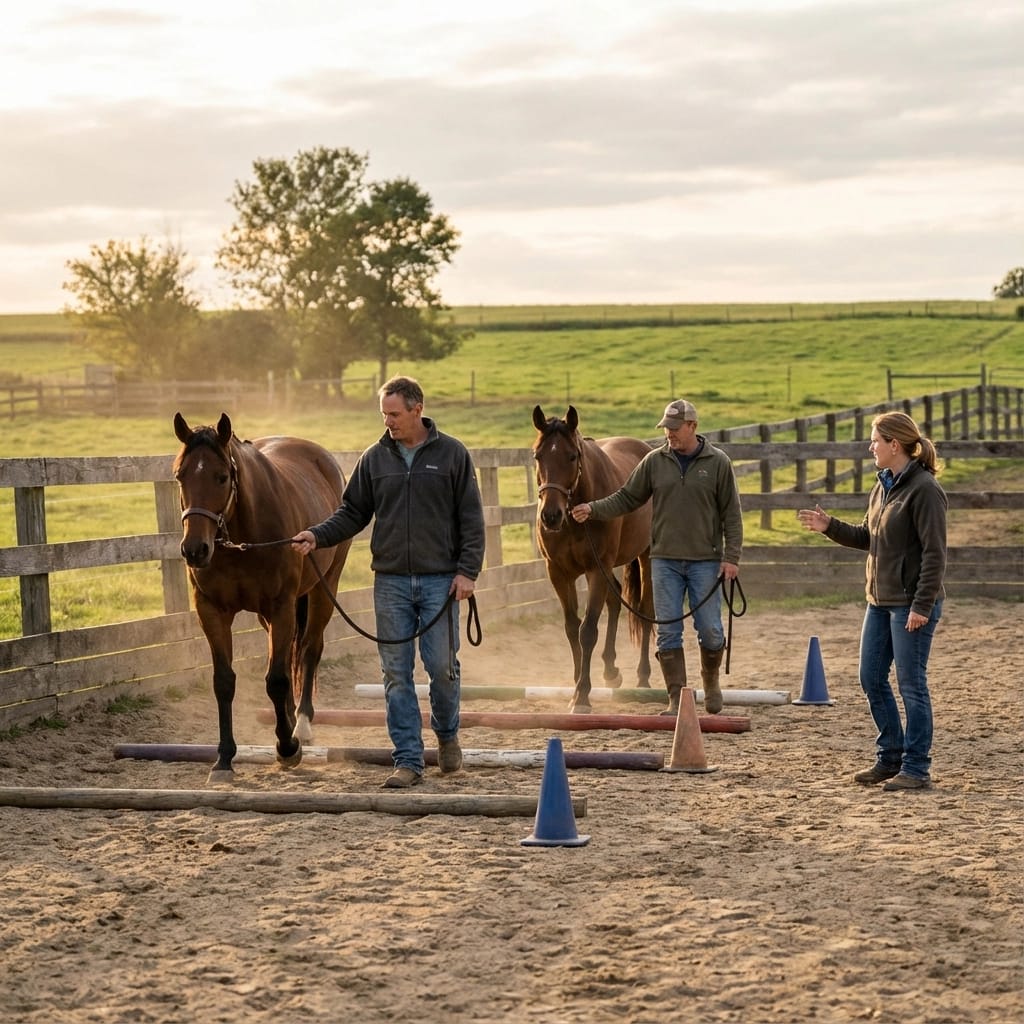
The teamwork aspect is equally important. Many equine-assisted activities involve collaborative work toward common goals, whether it’s leading a horse through an obstacle course, working together to groom and care for the animals, or participating in ground-based exercises that require coordination and communication. These activities feel familiar to first responders who rely on teamwork every day in their professional lives.

Trust building happens naturally in this environment. Horses are prey animals with finely tuned instincts for safety. When a horse chooses to trust a human, it’s meaningful and earned. This process of building trust with a powerful, intuitive animal can be incredibly healing for first responders who may have experienced betrayal or loss of trust in their professional or personal lives.

The Power of Present-Moment Awareness

Horse-guided experiences naturally encourage mindfulness and presence – qualities that can provide profound stress relief for first responders. When you’re working with a 1,200-pound animal, you must be fully present in the moment. There’s no room for worrying about yesterday’s call or tomorrow’s shift. This forced presence creates a mental break that many first responders find deeply refreshing.

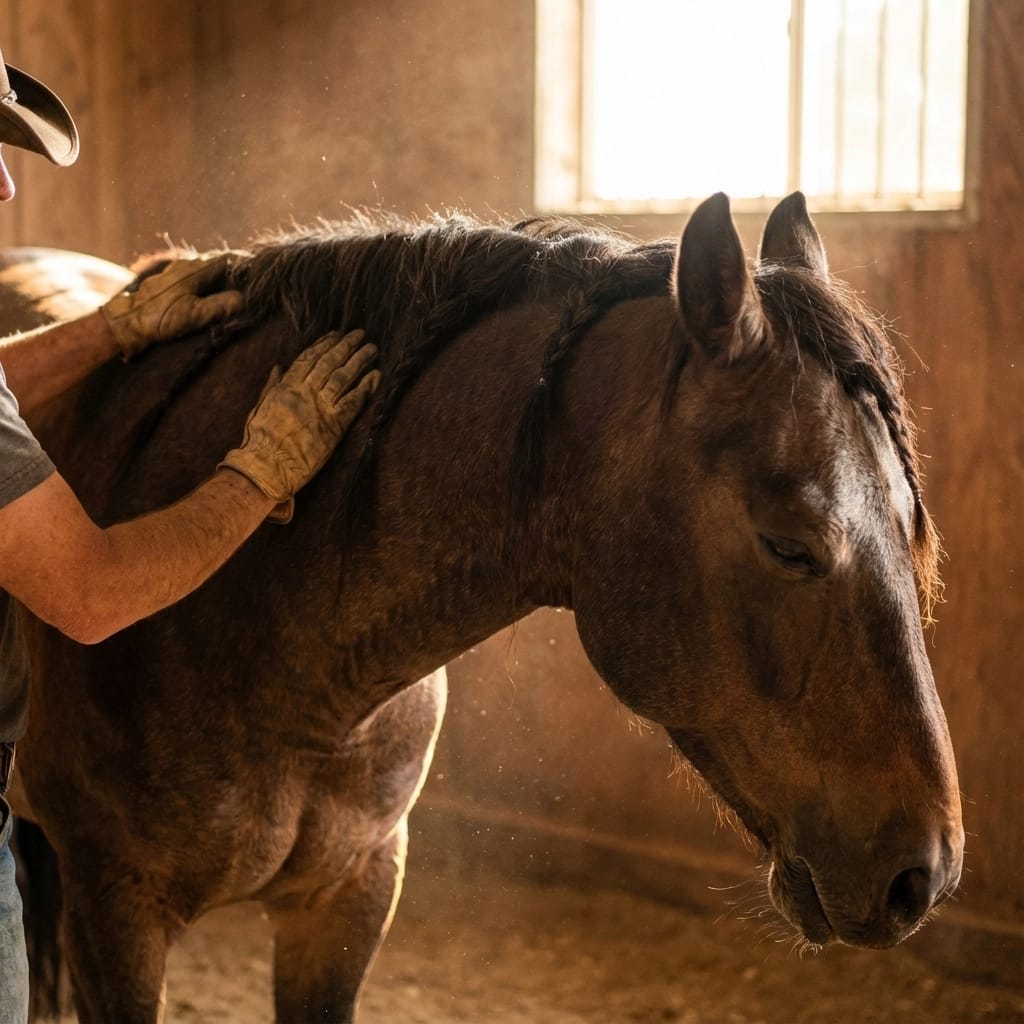
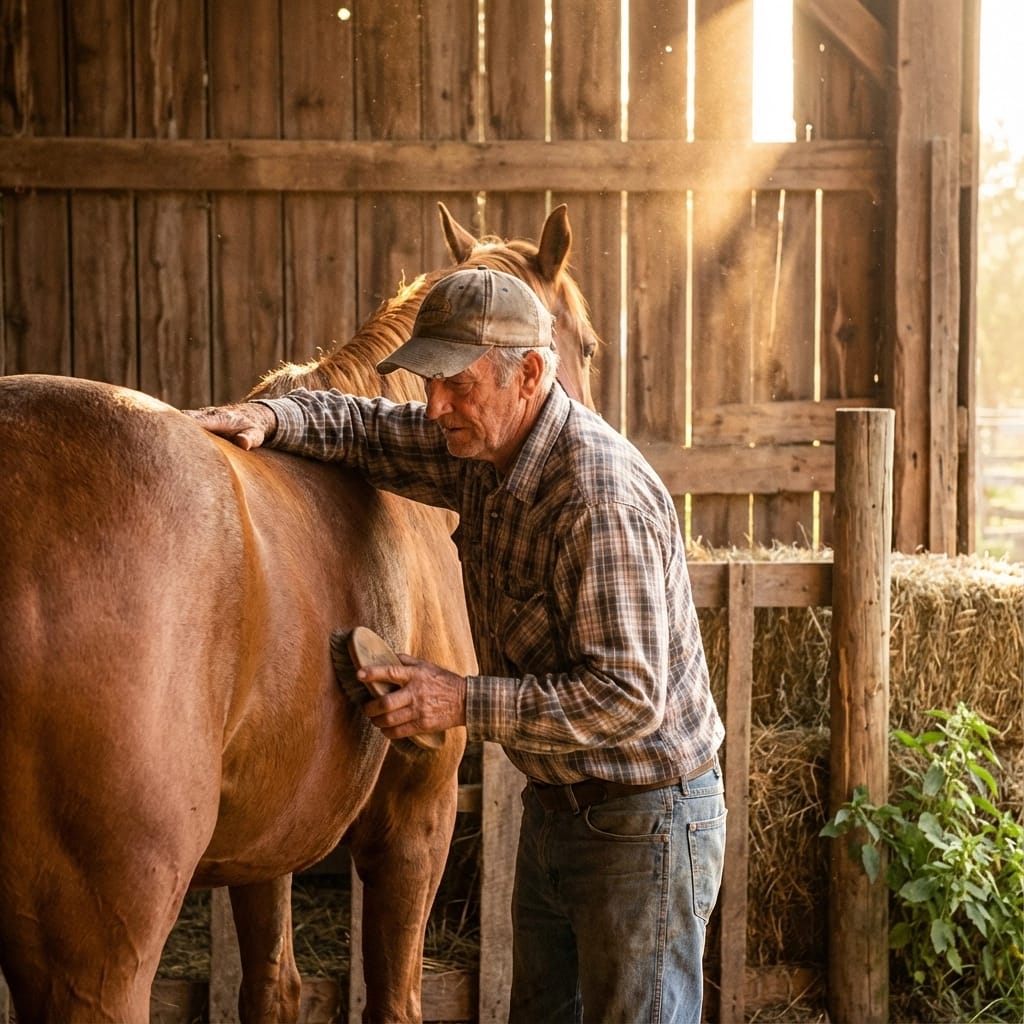
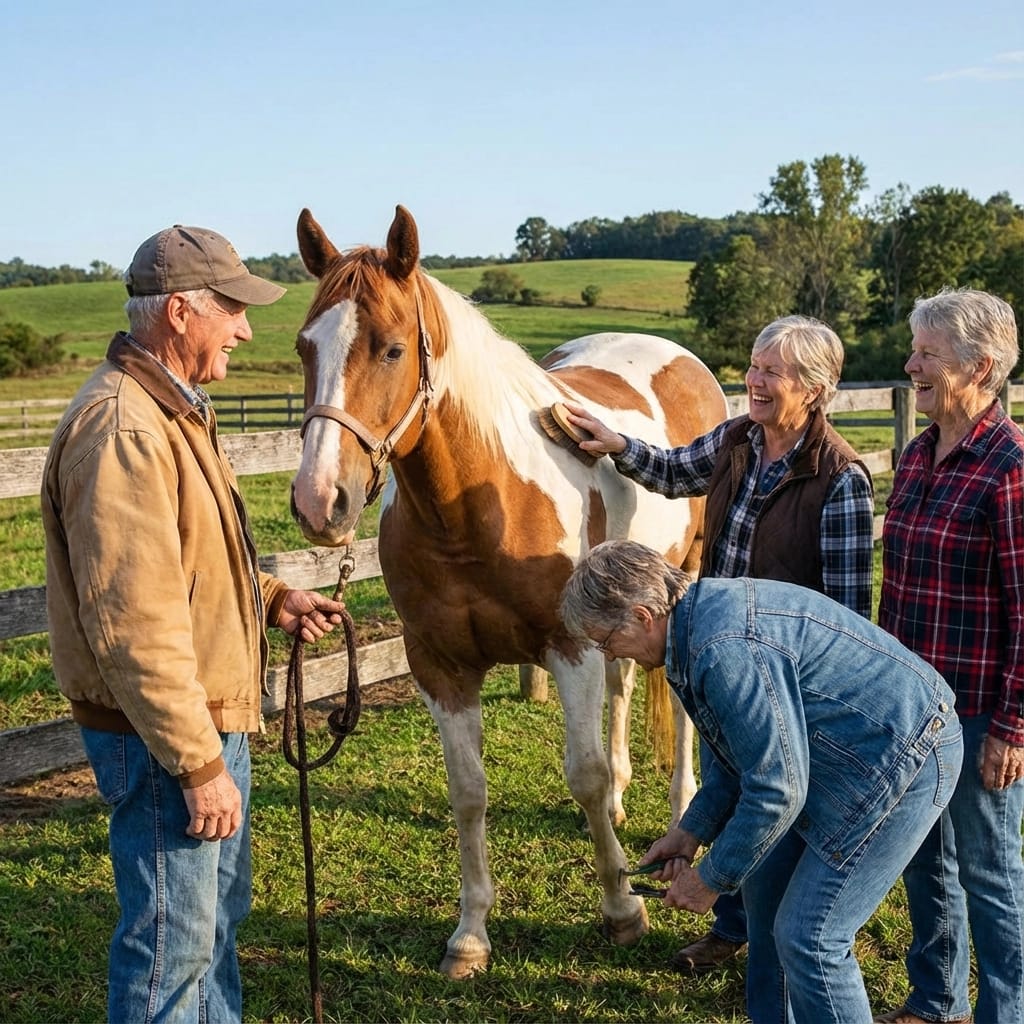
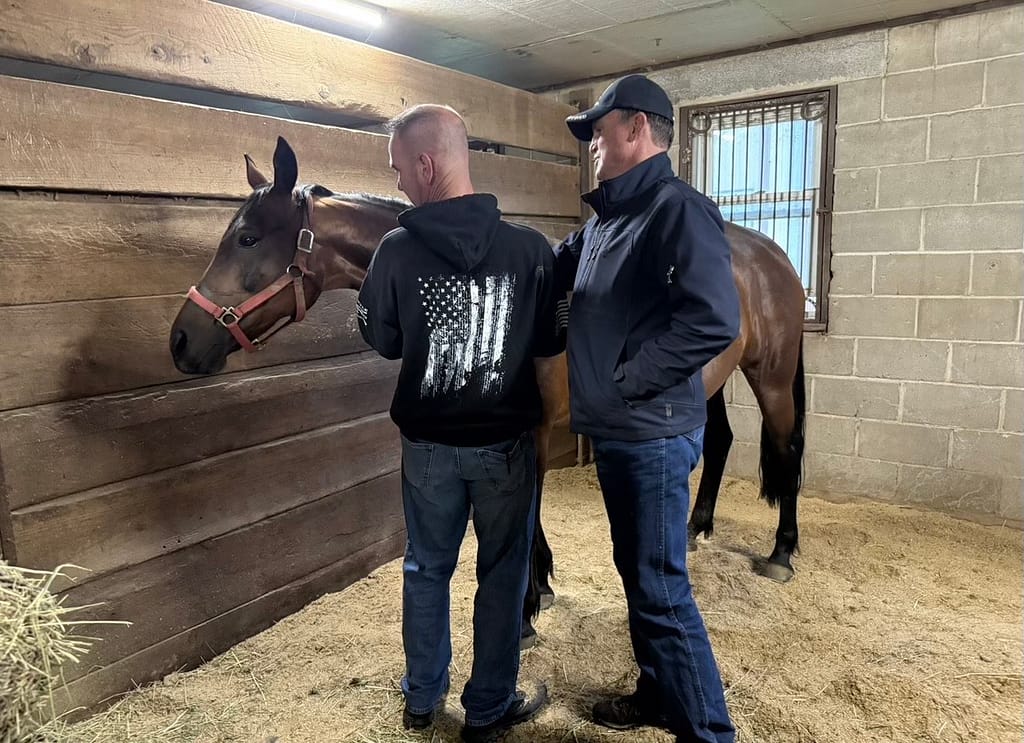
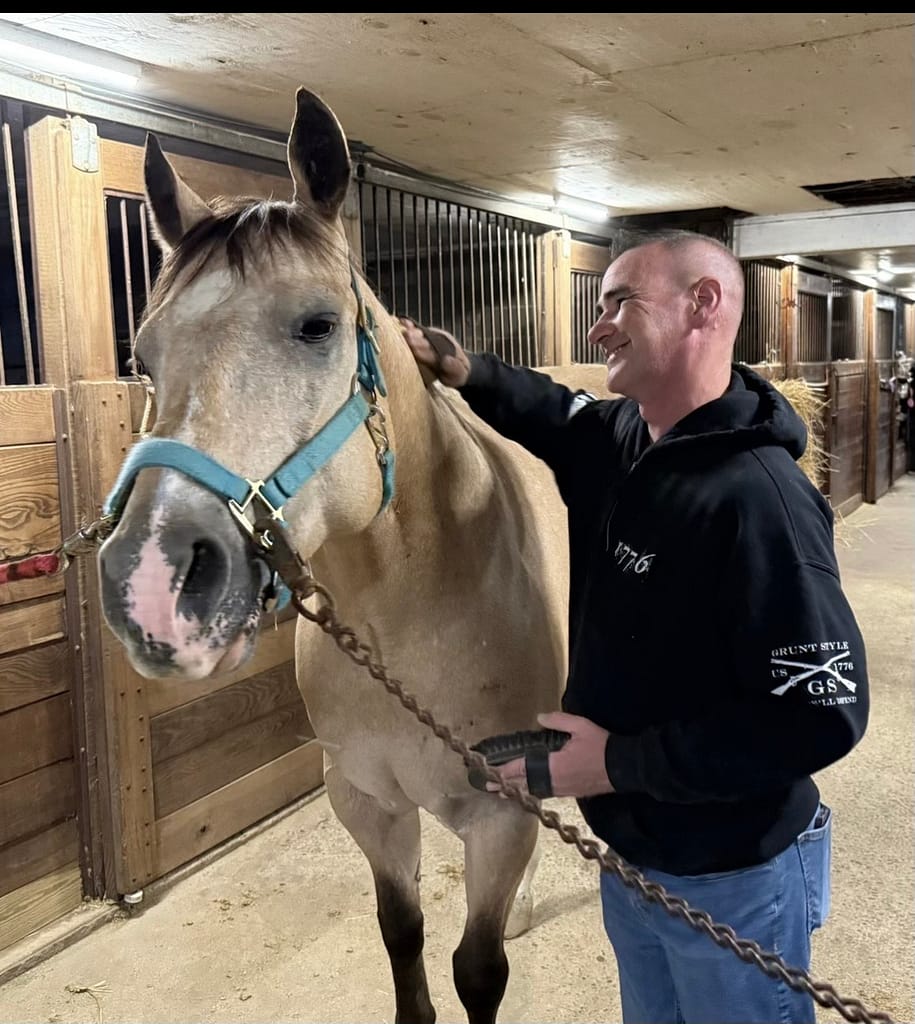
The simple act of grooming a horse, for example, becomes a meditative practice. The rhythmic brushing, the horse’s calm breathing, and the connection formed through touch create a sense of peace that’s difficult to find elsewhere. Many participants describe feeling their heart rate slow down and their shoulders relax for the first time in weeks or months.

This mindfulness carries over into daily life. First responders often report improved emotional regulation, better sleep, and increased confidence in both their professional and personal relationships after participating in our programs. The skills learned through horse-guided experiences – staying calm under pressure, reading non-verbal communication, and building trust – directly transfer to their work and home life.

A Space Designed for Action-Oriented Healing

Traditional support approaches often involve sitting still and talking about difficult experiences. While this works for some people, many first responders prefer learning by doing. Therapeutic equine programs provide exactly that – an opportunity to work through challenges while engaged in meaningful, purposeful activities.

Whether it’s learning to halter a horse, navigating an obstacle course together, or simply spending quiet time grooming, every interaction with the horses serves a purpose. Participants develop increased confidence through accomplishing tasks they never imagined they could do. They discover new aspects of their personality as they learn to communicate with these intuitive animals.

The sense of purpose that comes from caring for the horses is particularly powerful for first responders. These are people who have dedicated their lives to serving others, and the opportunity to nurture and care for these magnificent animals fills a similar need. Many participants describe feeling more like themselves again after spending time with the horses.

Building Connection and Community

One of the most challenging aspects of first responder life is the isolation that can develop over time. The intense nature of the work, combined with shift schedules and the difficulty of explaining experiences to people outside the profession, can create a sense of disconnection from family, friends, and community.

Therapeutic equine programs create natural opportunities for connection – both with the horses and with other participants. There’s something about working alongside horses that breaks down barriers and allows people to be more authentic with each other. Conversations that might never happen in other settings flow naturally when people are focused on caring for these gentle giants.

The horses themselves become sources of connection and comfort. Many participants develop deep bonds with specific horses, looking forward to visits and developing relationships that provide emotional support and stress relief. These connections often become a bright spot in difficult days, a reason to smile, and a reminder that healing and joy are possible even in challenging times.

Creating Lasting Change Through Personal Growth

The goal of our therapeutic equine programs isn’t to change who first responders are – it’s to help them reconnect with the best parts of themselves. Through horse-guided experiences, participants often rediscover qualities like patience, gentleness, and emotional openness that may have been suppressed in their professional environment.

Personal growth happens naturally in this setting. Horses demand authenticity – they can’t be fooled by professional masks or practiced personas. This encourages first responders to drop their guard and engage from a more genuine place. The result is often a renewed sense of self and increased emotional awareness.

Many participants describe our programs as a “reset button” for their emotional well-being. They leave sessions feeling calmer, more centered, and better equipped to handle the challenges of their demanding careers. The stress relief gained from time with the horses often lasts well beyond the session itself, creating positive ripple effects in all areas of life.

A Safe Space to Reset and Reconnect

At Strides For Heroes, we understand that first responders need support approaches that honor their strength while acknowledging their humanity. Our therapeutic equine programs provide exactly that – a space where these dedicated professionals can let their guard down, reconnect with their emotions, and remember what it feels like to simply be present in a moment of peace.

The horses don’t ask first responders to be anything other than who they are. They offer acceptance, connection, and the opportunity for genuine relationship in an environment free from judgment or expectation. It’s a chance to step away from the demands of their calling and simply exist in the healing presence of these remarkable animals.

For first responders ready to explore a different path to wellness and personal growth, therapeutic equine programs offer hope, healing, and the chance to rediscover the joy that called them to service in the first place. In a world that often demands everything from these brave individuals, our horses simply offer connection, peace, and the space to heal.

 Why Veterans Choose Horses Over Traditional Talk-Based Approaches

Not all support looks the same, and that’s especially true for veterans seeking help with the challenges that come after military service. While traditional talk-based approaches work well for some, many veterans find themselves drawn to something entirely different: working with horses in structured, outdoor environments.

Strides For Heroes provides therapeutic equine programs that support veterans and first responders through connection, structure, and horse-guided experiences. These programs offer an alternative path for those who haven’t found what they need in conventional office settings, or who simply prefer learning through hands-on experience rather than conversation alone.

When Talk-Based Settings Aren’t the Right Fit

Research shows that traditional approaches often struggle with engagement and completion rates, particularly among military veterans. Studies indicate that between 50 and 60 percent of veterans discontinue conventional support before completing their programs: significantly higher than civilian populations, where about one-third typically discontinue.

For many veterans, sitting in an office or participating in virtual appointments simply doesn’t feel right. The structured, action-oriented nature of military service often translates into a preference for hands-on, experiential approaches to personal growth and healing.

No prior horse experience is required. Participants are supported by trained instructors and well-prepared horses in a safe, structured environment. This accessibility removes barriers while maintaining the engaging, active format that resonates with many veterans.

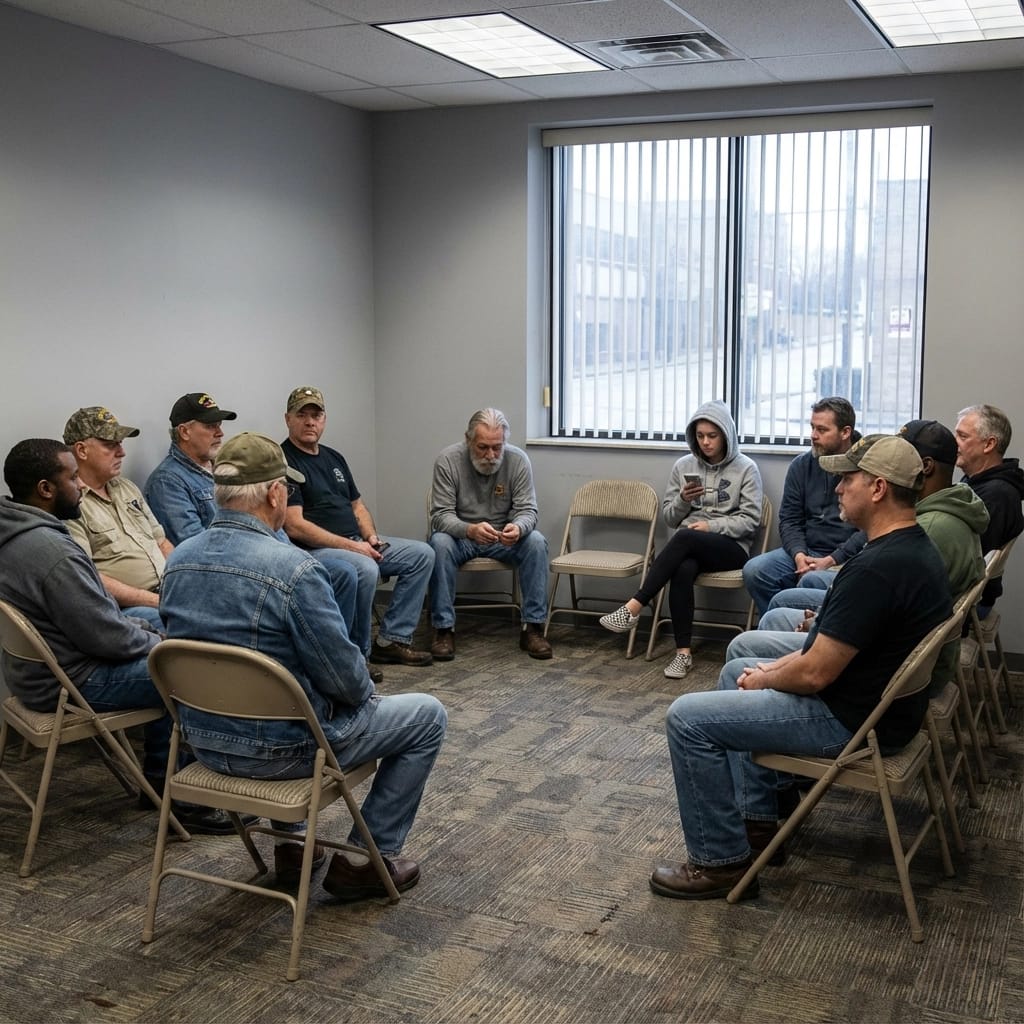
Veterans frequently express that they want to work alongside others who understand their experiences. Horse-guided programs naturally create this environment, where participants can engage with peers who share similar backgrounds and challenges, all while focusing on meaningful activities rather than solely on talking about difficulties.

Learning Through Experience Instead of Words

Traditional support models rely heavily on verbal processing and discussion. While valuable for many people, this approach doesn’t match how everyone learns or heals best. Veterans often come from backgrounds where they learned through doing: following protocols, working as teams, and taking action to solve problems.

Equine-assisted activities mirror this hands-on learning style. Instead of talking about trust, participants build it through interactions with horses. Rather than discussing leadership concepts, they practice them in real-time with immediate feedback from their equine partners.

This experiential learning creates what many participants describe as breakthrough moments. Veterans report gaining insights about themselves and their relationships that feel more genuine and lasting because they discovered them through experience rather than discussion alone.

The outdoor, active environment also appeals to veterans who spent significant time outside during their service. Working in fresh air with animals provides a welcome contrast to indoor, clinical-feeling spaces that can feel disconnecting or artificial.

Horses Provide Honest, Immediate Feedback

One of the most compelling aspects of horse-guided experiences is the authentic, non-judgmental feedback horses provide. Unlike humans, horses respond purely to energy, body language, and emotional state: they don’t carry preconceptions, make assumptions, or offer advice.

This creates an environment where veterans can explore emotional regulation, self-awareness, and interpersonal skills without fear of judgment or criticism. Horses react in real-time to human emotions and energy, providing immediate, honest responses that help participants recognize patterns in their own behavior and emotional states.

Veterans often describe feeling more comfortable being vulnerable around horses than in traditional settings. The absence of judgment creates safety, while the immediate feedback creates learning opportunities that feel natural rather than forced.

Horses also require presence and mindfulness. Unlike conversations that can happen on autopilot, working with horses demands full attention to the present moment. This naturally develops mindfulness skills and helps veterans experience stress relief through focused, purposeful activity.

The connection that develops between participants and horses often becomes a powerful source of personal growth. Veterans report increased confidence as they learn to communicate effectively with these large, powerful animals, and many experience a renewed sense of purpose through caring for and working with their equine partners.

Structure and Responsibility Resonate with Veterans

Military service instills deep appreciation for structure, clear expectations, and meaningful responsibility. Traditional support often lacks these elements, focusing instead on open-ended conversation and emotional exploration that can feel unfamiliar or uncomfortable.

Horse-guided programs provide the structure veterans appreciate while creating opportunities for personal growth. Each session has clear objectives, whether it’s learning to lead a horse, practicing groundwork exercises, or working as a team to accomplish specific tasks.

The responsibility aspect particularly resonates with veterans. Caring for horses requires attention to detail, consistency, and putting another being’s needs first: values that align closely with military training and personal character. This sense of purpose and responsibility often becomes a source of renewed meaning and connection.

Program activities are designed to be goal-oriented and measurable, providing the clear sense of progress and achievement that veterans value. Participants can see their growth through tangible improvements in their relationships with horses and their ability to work effectively in structured environments.

The team-based nature of many equine activities also appeals to veterans’ collaborative instincts. Working together to achieve common goals feels familiar and engaging, creating natural opportunities for connection and mutual support.

Clear Non-Clinical Framework

Unlike traditional approaches that often involve clinical assessments, diagnoses, and treatment plans, therapeutic equine programs operate in a non-clinical, structured environment. This distinction matters significantly to veterans who may feel uncomfortable with clinical labels or medical frameworks.

Horse-guided experiences focus on building skills, developing relationships, and creating positive experiences rather than addressing specific clinical conditions. This approach feels more natural and less stigmatizing to many veterans, removing barriers that might prevent them from seeking or continuing support.

The emphasis on strength-building rather than problem-solving creates a more positive, forward-looking environment. Veterans work on developing confidence, improving self-awareness, and building connection and trust: all through engaging, purposeful activities rather than problem-focused discussions.

Programs are designed to meet participants where they are, allowing them to engage at their own pace and comfort level. Some veterans dive in immediately, while others prefer to observe and gradually increase their participation. This flexibility ensures that the experience feels right for each individual.

A Different Path Forward

Strides For Heroes recognizes that healing and growth happen in many different ways. For veterans who haven’t found what they need in traditional settings, or who simply prefer hands-on, experiential approaches, horse-guided experiences offer a meaningful alternative.

The combination of structure, responsibility, honest feedback, and genuine connection creates an environment where veterans can rebuild confidence, develop emotional regulation skills, and experience stress relief in ways that feel authentic and sustainable.

Therapeutic equine programs don’t replace other forms of support: they complement them by providing a unique avenue for personal growth that aligns with veterans’ strengths, values, and preferences. Many participants find that skills developed through horse-guided experiences enhance their ability to benefit from other forms of support as well.

Meeting Veterans Where They Are

Horses meet veterans where they are: without judgment, without clinical frameworks, and without requiring them to fit into traditional models of support. This authentic acceptance creates space for genuine growth and healing to occur naturally.

For veterans seeking an alternative to talk-based approaches, equine-assisted activities offer structure, purpose, and connection in an environment that honors their experiences and builds on their strengths. It’s not the only path forward, but for many veterans, it’s the path that finally feels right.

The outdoor, hands-on nature of these programs appeals to veterans’ practical instincts while creating opportunities for meaningful personal growth. Working with horses provides immediate, tangible experiences of success, trust-building, and emotional regulation that translate into improved confidence and well-being in daily life.

Through connection, structure, and horse-guided experiences, veterans discover new ways to build the lives they want while honoring who they are and where they’ve been. Sometimes the most powerful healing happens not through talking about the journey, but through taking the next steps forward( one stride at a time.)

MLK Day: Honoring Service Through Action at Strides For Heroes

Every third Monday in January, we pause to honor the extraordinary legacy of Dr. Martin Luther King Jr. But MLK Day isn’t just about remembering: it’s about acting. It’s about rolling up our sleeves and making his dream of community, service, and equality a living reality in our neighborhoods and beyond.

At Strides For Heroes, Dr. King’s vision resonates deeply with everything we do. His belief that “everybody can be great because anybody can serve” perfectly captures why we’re here: to serve those who have served us.

**The Power of Service: Dr. King’s Enduring Message**

Dr. King understood something fundamental about human nature: that we find our greatest purpose when we’re helping others. He famously said, “Life’s most persistent and urgent question is: What are you doing for others?” This question drives everything we do at Strides For Heroes.

Our veterans and first responders have already answered that question with their lives. They’ve dedicated themselves to protecting our communities, our freedoms, and our way of life. Now it’s our turn to serve them.

When Dr. King spoke about building the “beloved community,” he envisioned a place where everyone belongs, where healing happens, and where people support each other through life’s challenges. That’s exactly what we’ve created here at our therapeutic equine program.

**Building Community Through Connection**

There’s something magical that happens when a veteran or first responder connects with one of our horses. It’s not just about riding: it’s about building trust, finding peace, and rediscovering confidence. These connections mirror Dr. King’s vision of a community where everyone has value and everyone can heal.

Our therapeutic equine programs create a space where service members can process their experiences without judgment. No prior horse experience is required. Participants are supported by trained instructors and well-prepared horses in a safe, structured environment.

The horses don’t care about rank, branch of service, or what someone has been through. They respond to authenticity, calmness, and presence. In doing so, they teach our participants valuable lessons about emotional regulation, mindfulness, and connection that extend far beyond our arena.

**From Service to Healing: The SFH Approach**

Dr. King believed that “injustice anywhere is a threat to justice everywhere.” Today, we see this truth reflected in the challenges facing our veteran and first responder communities. When those who’ve served us struggle with invisible wounds, it affects all of us.

That’s why Strides For Heroes provides therapeutic equine programs that support veterans and first responders through connection, structure, and horse-guided experiences. We’re not just offering activities: we’re creating pathways to personal growth, increased confidence, and renewed sense of purpose.

Our participants often tell us that working with horses helps them find clarity in ways they never expected. The immediate feedback horses provide teaches emotional regulation and self-awareness. The responsibility of caring for these magnificent animals restores a sense of purpose many thought they’d lost.

**The Ripple Effect of Giving Back**

When Dr. King organized community service initiatives, he understood that helping others creates ripples that extend far beyond the immediate action. Every person who finds healing and purpose becomes a source of strength for their family, their friends, and their community.

We see this ripple effect every day at Strides For Heroes. A veteran who regains confidence through our program becomes a better parent, partner, and community member. A first responder who finds stress relief and emotional balance can better serve and protect our neighborhoods.

The impact doesn’t stop there. Family members find relief knowing their loved one has a supportive community. Children see their parent or guardian growing stronger. Friends witness transformation and hope for their own healing journeys.

**Answering the Call: How You Can Serve**

Dr. King’s legacy isn’t just about what he accomplished: it’s about inspiring each of us to take action. MLK Day is officially designated as a National Day of Service because King’s dream can only be realized through our collective efforts.

At Strides For Heroes, there are countless ways to honor Dr. King’s legacy while supporting our veterans and first responders:

**Volunteer with Us**: Whether you have horse experience or not, we need caring individuals to help with barn maintenance, program support, and special events. Every volunteer makes a difference in creating the supportive community our participants need.

**Spread Awareness**: Share our mission with others who might benefit from our programs or want to get involved. Sometimes the most powerful service is simply letting people know that help and healing are available.

**Financial Support**: Donations help us maintain our horses, facilities, and programs. They also ensure that cost never prevents a veteran or first responder from accessing our services.

**Professional Skills**: From marketing to accounting, legal advice to carpentry, we can use professional skills to strengthen our organization and expand our reach.

**The Dream Lives On**

Dr. King’s dream wasn’t just about ending segregation: it was about creating a society where everyone has the opportunity to thrive, heal, and contribute. That vision continues to inspire us as we work with veterans and first responders who’ve given so much to protect that dream for all of us.

When a Marine finds peace grooming a gentle horse, when a firefighter discovers new confidence in the arena, when a police officer learns to trust again through equine partnership: we’re witnessing Dr. King’s dream in action.

These moments of healing and growth remind us that service isn’t a one-way street. Those who’ve served our country and communities have earned our service in return. By supporting their journey toward personal growth, increased confidence, and emotional regulation, we honor both their sacrifice and Dr. King’s vision of mutual support and community care.

**Moving Forward Together**

This MLK Day, as we reflect on Dr. King’s incredible legacy, let’s commit to turning inspiration into action. Whether you’re a veteran seeking support, a community member looking to give back, or someone who simply believes in the power of healing and connection, there’s a place for you in the Strides For Heroes family.

Dr. King reminded us that “the ultimate measure of a man is not where he stands in moments of comfort and convenience, but where he stands at times of challenge and controversy.” Our veterans and first responders have already proven their measure in the most challenging circumstances imaginable.

Now it’s our turn to stand with them, support them, and create the beloved community Dr. King envisioned: one where healing happens, connections grow stronger, and everyone has the chance to thrive.

Ready to honor Dr. King’s legacy through action? Contact us to learn more about volunteering, participating in our programs, or supporting our mission. Together, we can ensure that the dream of service, community, and healing continues to live on.

Subscribe Here

When Horses Reflect Our Emotions, Healing Begins

Horses communicate in ways that go far beyond words. Their emotions are revealed through gentle awareness—ears turning toward a familiar voice, eyes softening at a trusted presence, and a calm that settles into their body when they feel safe. These quiet signals reflect something powerful: trust, connection, and emotional honesty.

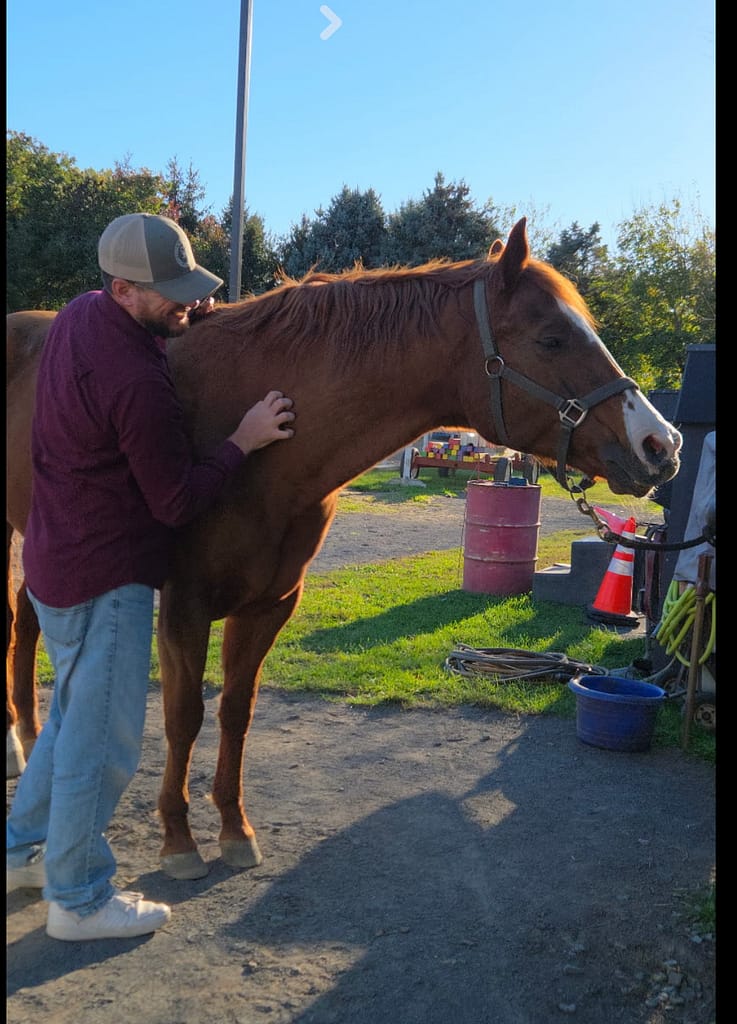
A horse that feels bonded doesn’t simply observe—they respond. They follow movements with calm attention, mirror emotional energy, and offer steady presence without expectation. When someone arrives carrying stress or uncertainty, horses often step closer, offering comfort through stillness alone. When calm is present, they reflect that peace back in return.

This emotional responsiveness is at the heart of the work we do at Strides For Heroes. Through guided, non-clinical equine-assisted experiences, Veterans, First Responders, Active-Duty Military members, and their families are given space to slow down, reconnect, and feel supported. Horses meet participants exactly where they are—without judgment, without pressure—allowing trust to form naturally.

Healing doesn’t always come through words. Sometimes it begins with a shared breath, a quiet moment, or a horse choosing to stand close. These interactions remind us that emotional awareness and connection are foundational to resilience and growth.

A horse’s love is not loud or demanding. It is steady, grounding, and honest. When a horse allows their emotions to be seen, it reflects a bond built on patience, safety, and mutual trust—one that has the power to create meaningful change.

Subscribe Here