
Many veterans face ongoing mental health challenges after their military service, including stress, anxiety, and difficulty reconnecting with civilian life. While traditional support options work for some, others seek a more hands-on, non-clinical approach that feels natural and engaging. For these veterans, therapeutic equine programs offer a meaningful alternative that honors their service while supporting their journey forward.
Strides For Heroes provides therapeutic equine programs that support veterans and first responders through connection, structure, and horse-guided experiences. These programs create space for participants to slow down, focus on the present moment, and build meaningful connections : all outside of a clinical setting.
Understanding the Unique Challenges Veterans Face
The transition from military to civilian life brings unique mental health challenges that many veterans struggle to navigate. After years of structured military environment, the lack of clear mission and brotherhood can leave veterans feeling disconnected and purposeless. Many experience heightened stress responses, difficulty sleeping, and challenges with emotional regulation that stem from their service experiences.
No prior horse experience is required. Participants are supported by trained instructors and well-prepared horses in a safe, structured environment. Each session is designed to meet individuals where they are, allowing them to engage at their own pace.
Traditional talk-based approaches don’t resonate with every veteran. Some prefer action-oriented activities that provide tangible results and meaningful engagement. This is where horse-guided experiences shine : they offer veterans a chance to focus on the present moment while building skills that translate into daily life.
Why Horse-Guided Programs Resonate with Veterans
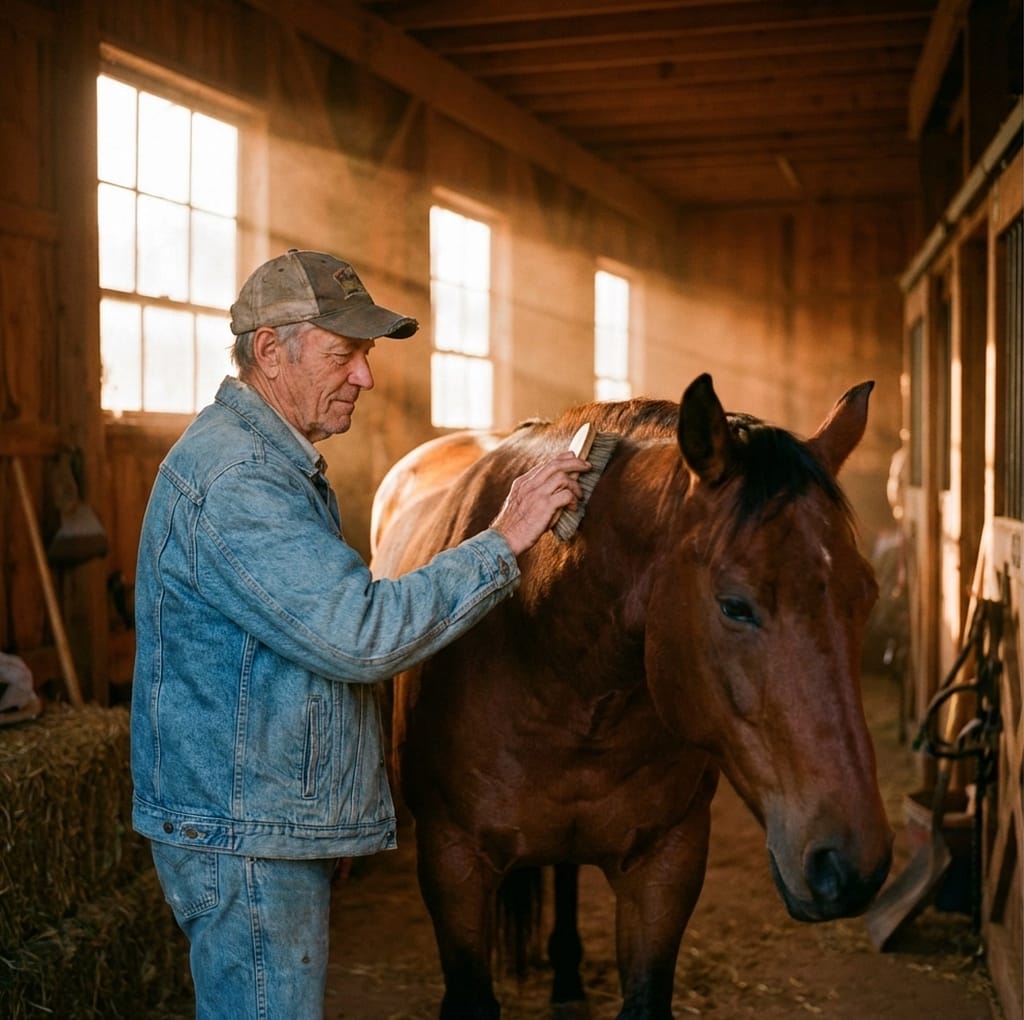
There’s something uniquely powerful about the relationship between humans and horses that makes these programs particularly effective for veterans. Horses are highly responsive to human emotion and energy, providing immediate, honest feedback without judgment. This creates an environment where veterans can practice emotional regulation and mindfulness in real-time.
The military values of structure, responsibility, and teamwork translate naturally to working with horses. Veterans often find comfort in the routine of caring for these magnificent animals and the clear boundaries that horses require. Unlike human relationships that can feel complicated after service, horses respond to consistency, respect, and calm leadership : qualities that veterans already possess.
Horses also share similarities with veterans in their heightened awareness of their surroundings. Both understand the importance of trust and safety, making the process of building a relationship with a horse particularly meaningful. When a 1,200-pound animal chooses to trust a veteran, it can be a profound moment of connection and validation.
The Power of Connection and Trust
Through simple, guided interactions on the ground, veterans often experience increased self-awareness and improved emotional regulation. Working with horses requires participants to be fully present and mindful of their energy and emotions. Horses respond to authenticity, which encourages veterans to connect with their genuine selves rather than maintaining protective barriers.
The relationship that forms with the horse encourages trust, patience, and presence : skills that carry into everyday life. Many veterans discover a renewed sense of confidence as they successfully communicate with and care for their equine partner. This isn’t about achieving perfection; it’s about building connection and experiencing personal growth through meaningful interaction.
A Structured, Non-Clinical Approach
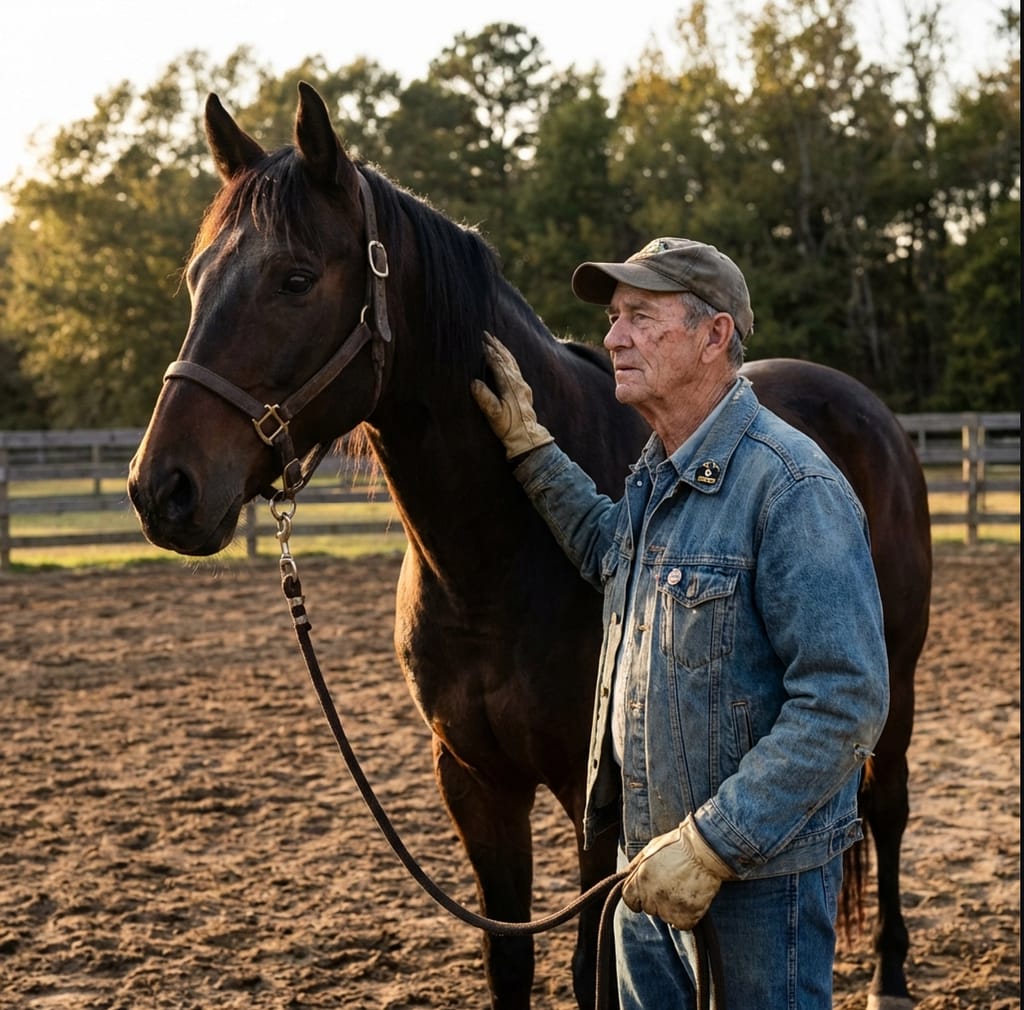
At Strides For Heroes, the focus remains on creating structured, supportive experiences rather than providing clinical interventions. The program operates in a non-clinical, structured environment where veterans can explore personal growth through equine-assisted activities. Each session is carefully designed to provide opportunities for stress relief and connection while maintaining clear boundaries and safety protocols.
The structured nature of the program appeals to veterans who appreciate clear expectations and measurable progress. Participants engage in various horse-guided experiences, from groundwork exercises to grooming and leading activities. These experiences naturally promote mindfulness and presence while building a sense of purpose and accomplishment.
Trained instructors facilitate each session, ensuring that both horses and participants remain safe and supported throughout the experience. The horses selected for the program are carefully chosen for their temperament and training, creating an environment where veterans can feel secure while challenging themselves to grow.
Building Confidence Through Shared Experiences
One of the most powerful aspects of therapeutic equine programs is watching veterans rediscover their sense of capability and confidence. Working with horses requires clear communication, leadership, and problem-solving skills : all strengths that veterans possess but may have lost touch with during their transition to civilian life.
The immediate feedback that horses provide helps veterans practice emotional regulation in a supportive setting. When a horse responds positively to calm, confident leadership, it reinforces these qualities in the veteran. When a horse becomes nervous or resistant, it provides an opportunity to practice patience, adjust approach, and try again : valuable lessons in resilience and adaptability.
Creating Community and Belonging
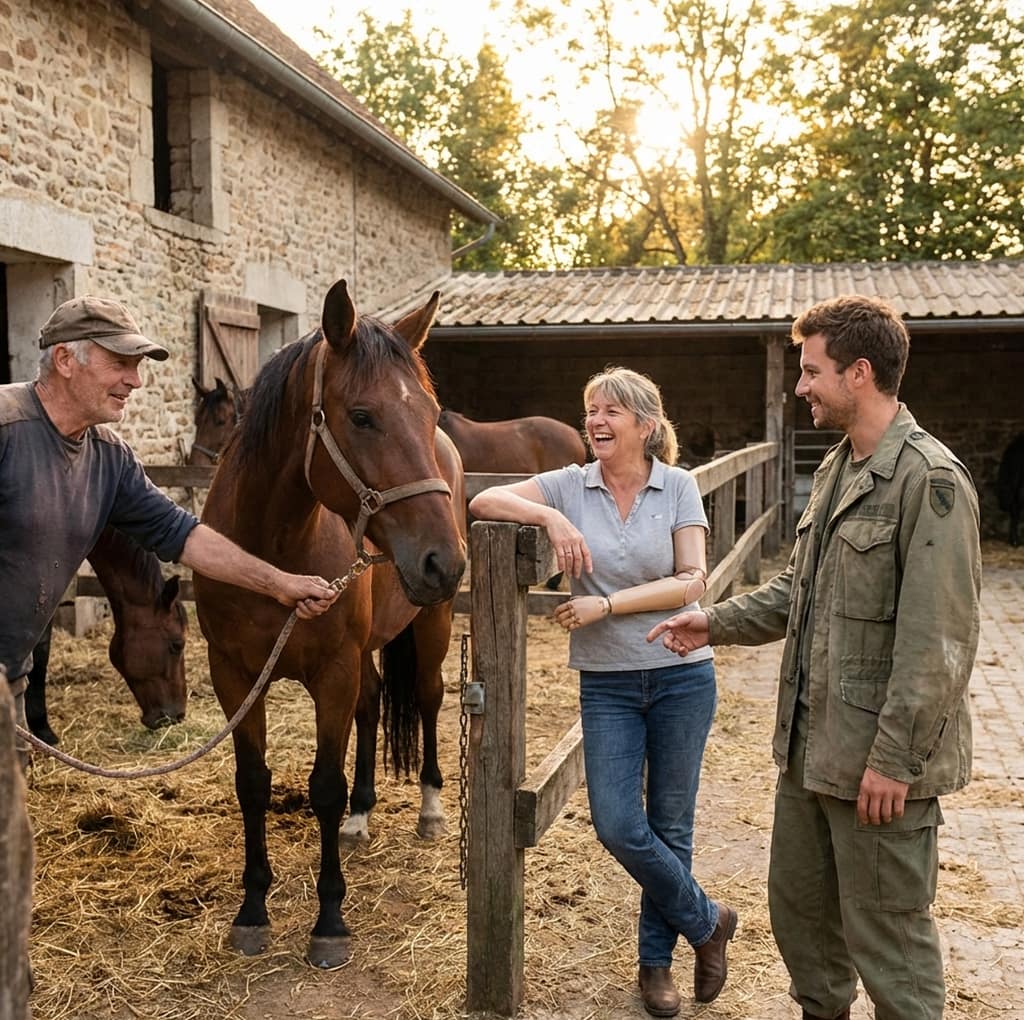
Many veterans struggle with feelings of isolation after their service, missing the camaraderie and shared purpose of military life. Therapeutic equine programs naturally create opportunities for veterans to connect with others who understand their experiences. Working alongside other participants, sharing challenges and successes, and supporting each other’s growth builds a new kind of community.
The shared experience of working with horses creates natural conversation starters and connection points. Veterans often find themselves opening up more easily in this environment than they might in traditional settings. There’s something about the presence of horses that seems to lower barriers and encourage authentic interaction.
This sense of belonging extends beyond the program itself. Many participants develop lasting friendships with fellow veterans and maintain connections with the horses they’ve worked with. Some even choose to continue their involvement as volunteers, giving back to the community that supported their own growth.
Practical Skills for Daily Life
The skills developed through horse-guided experiences have practical applications in everyday life. Veterans learn to recognize their own emotional states and practice regulation techniques that help them navigate stressful situations. The mindfulness and presence required when working with horses translates into improved focus and awareness in other areas of life.
Communication skills also improve as veterans learn to convey their intentions clearly and consistently to their equine partners. This practice in non-verbal communication and reading subtle cues can enhance relationships with family members, coworkers, and friends.
A Path Forward Built on Respect and Understanding
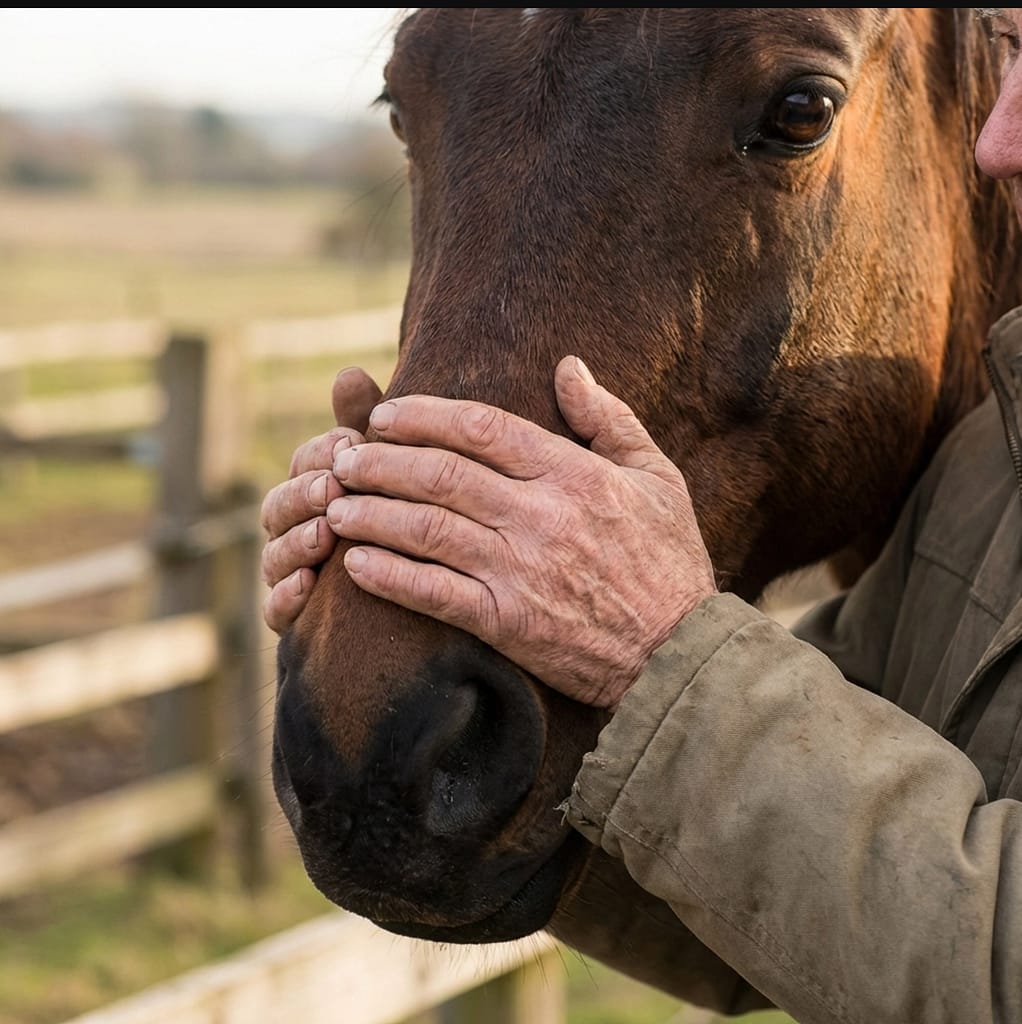
Strides For Heroes recognizes that every veteran’s journey is unique, and there’s no one-size-fits-all approach to supporting mental health and personal growth. Therapeutic equine programs provide an accessible, welcoming option for veterans seeking a different path forward : one built on trust, respect, and the powerful bond between humans and horses.
The goal is not to provide clinical interventions, but to offer meaningful support through connection and purposeful activity. By working alongside horses, veterans rediscover a sense of calm, structure, and belonging that supports their personal growth and overall well-being.
For veterans who have felt disconnected from traditional support options or who simply prefer a more hands-on approach, horse-guided experiences offer hope and healing. The program meets veterans where they are, honoring their service while supporting their continued growth and development.
The relationship between veteran and horse becomes a foundation for broader healing : demonstrating that trust is possible, that connection can be rebuilt, and that purpose can be rediscovered. Through patient work with these remarkable animals, veterans often find not just stress relief and increased confidence, but a renewed sense of their own strength and capability.
At Strides For Heroes, we believe in the transformative power of connection : between human and horse, between veteran and community, and between past experience and future possibility. Our therapeutic equine programs provide a space where veterans can explore personal growth, build meaningful relationships, and discover new sources of strength and purpose in their lives.